


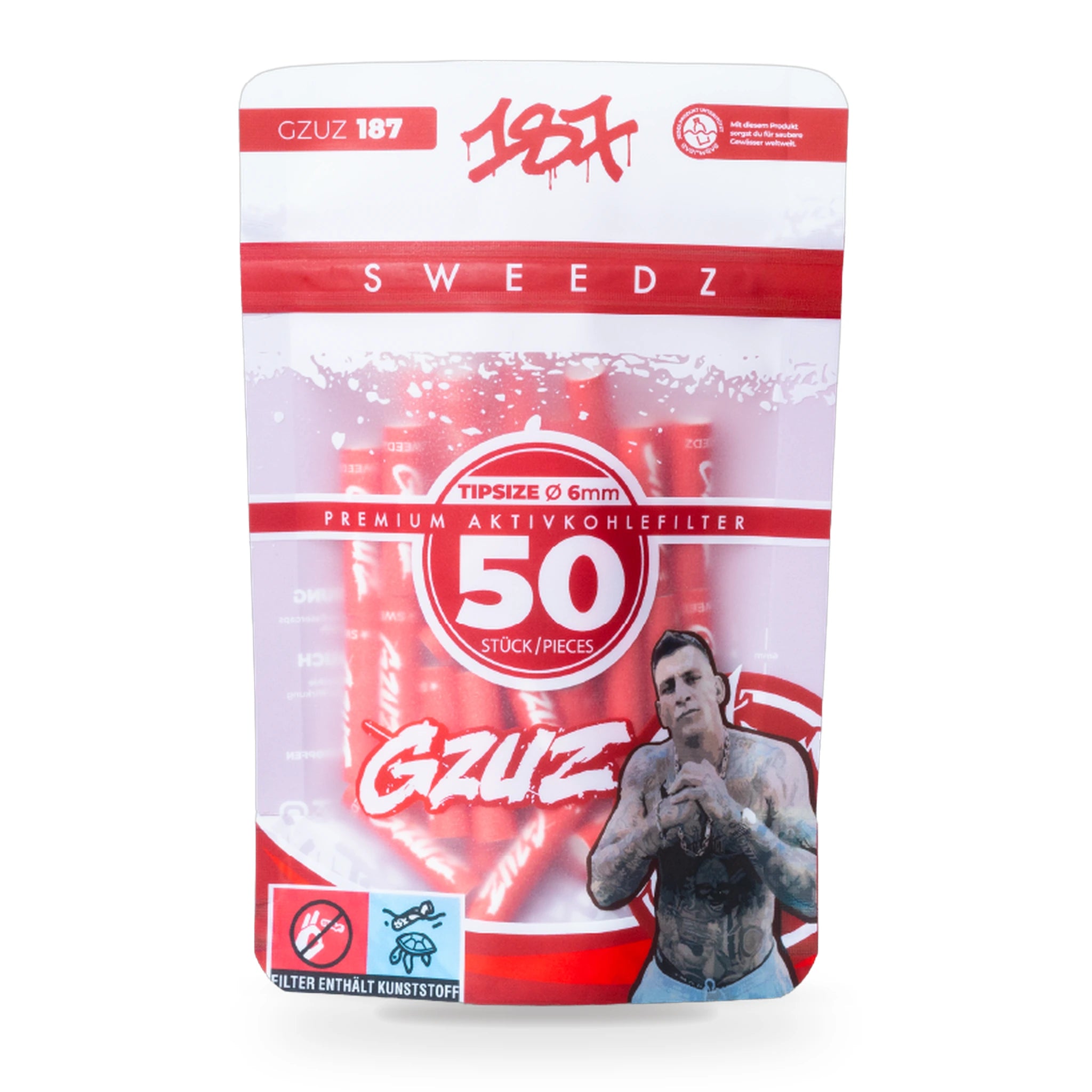
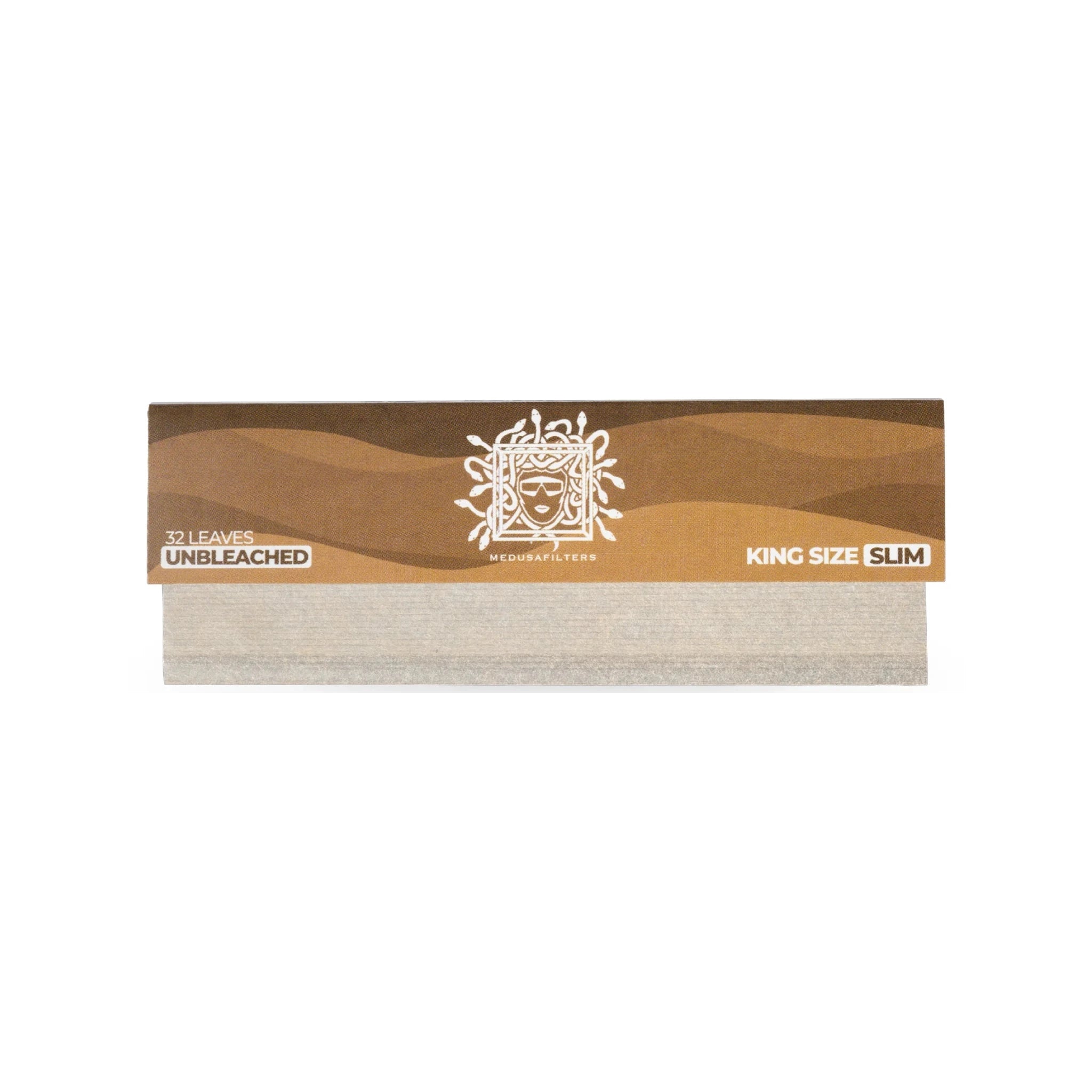
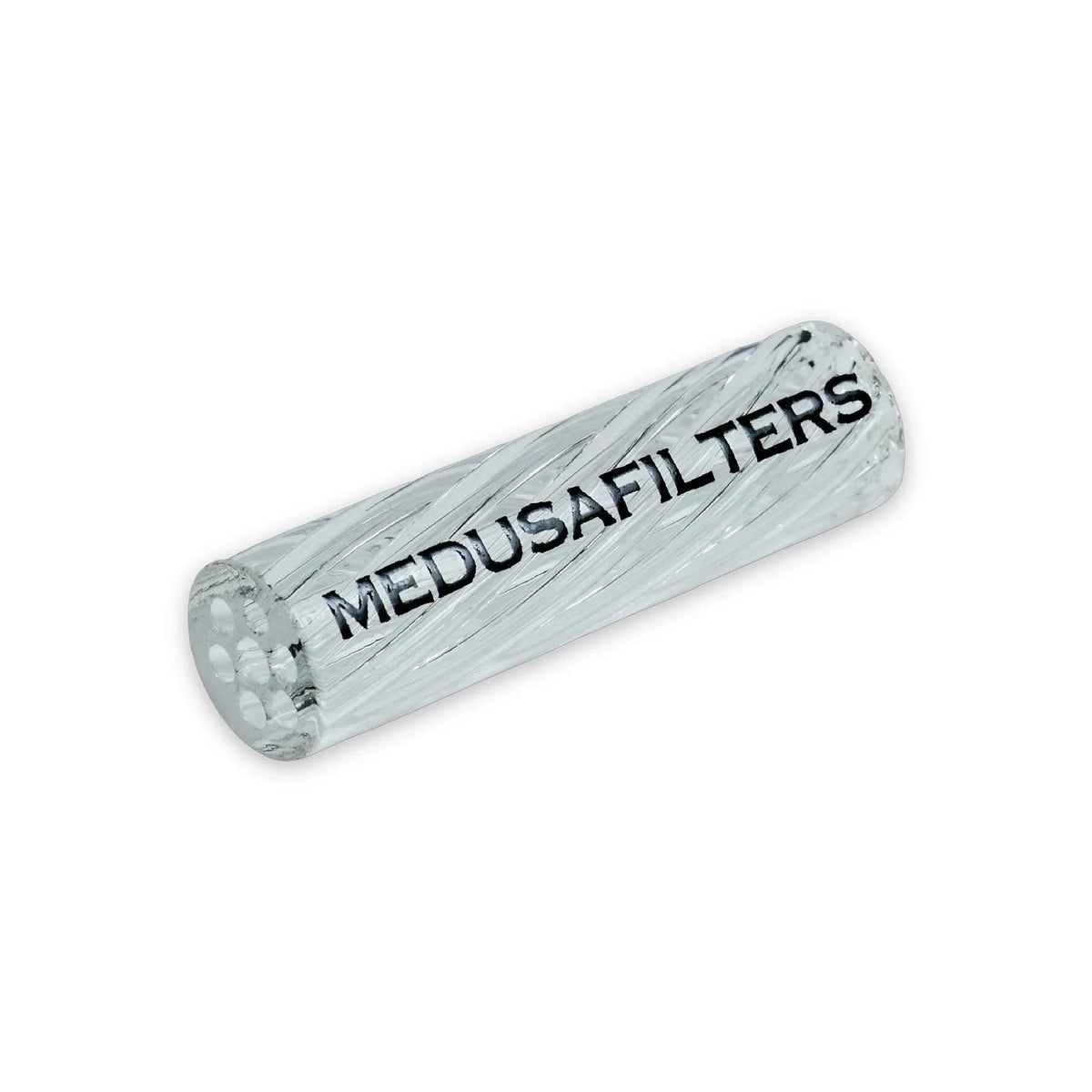
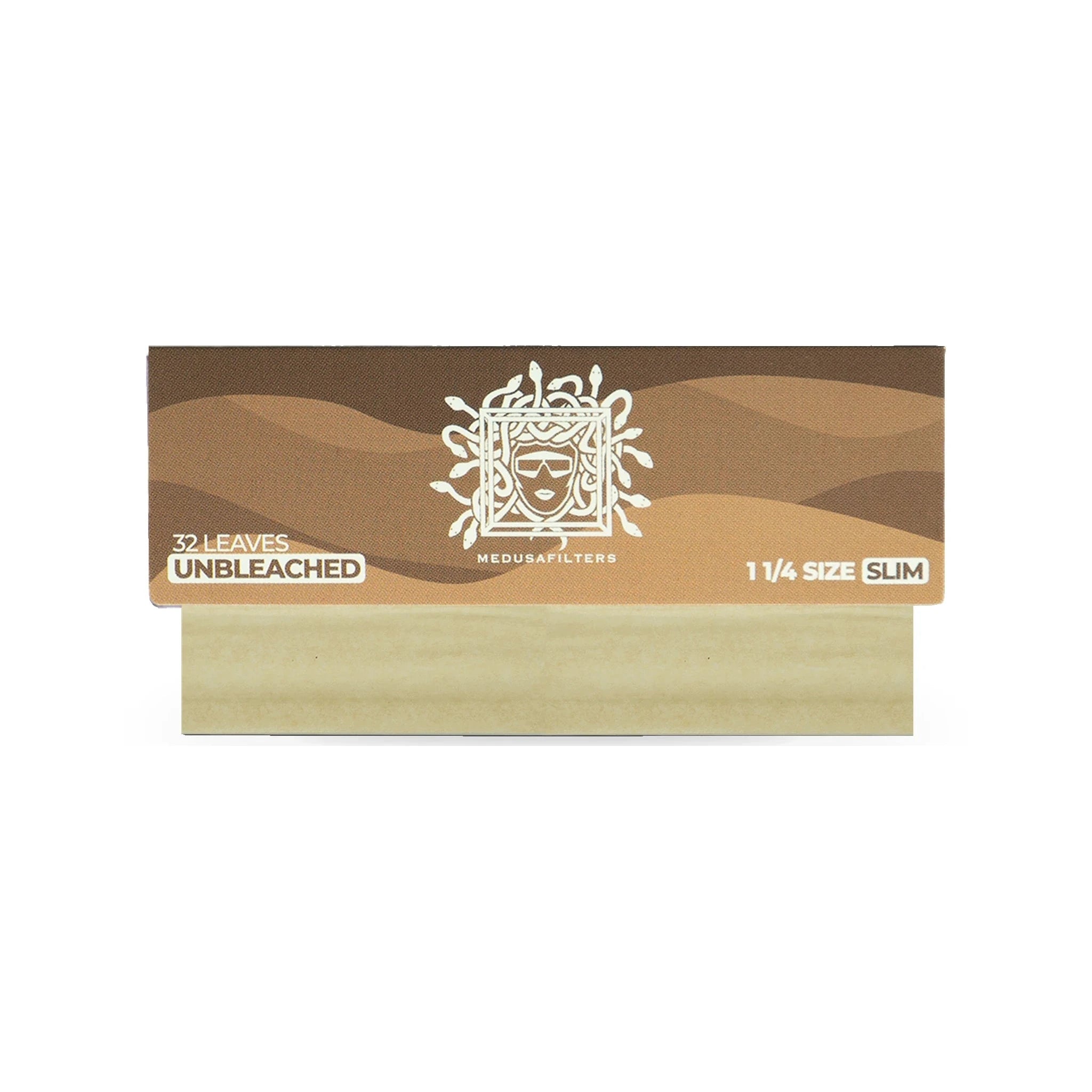

Activated carbon filters are becoming ever more popular within the smoking community. And rightly so! They offer a simple yet very effective way to reduce harmful substances in the smoke to a minimum. In doing so, they help protect the consumer's health in the long term.
Numerous variants are now on the market, but where do the differences lie? We draw the big comparison between the well-known ceramic filters and the recent discovery of the past few years with a cellulose cap.
Structure and function of activated carbon filters
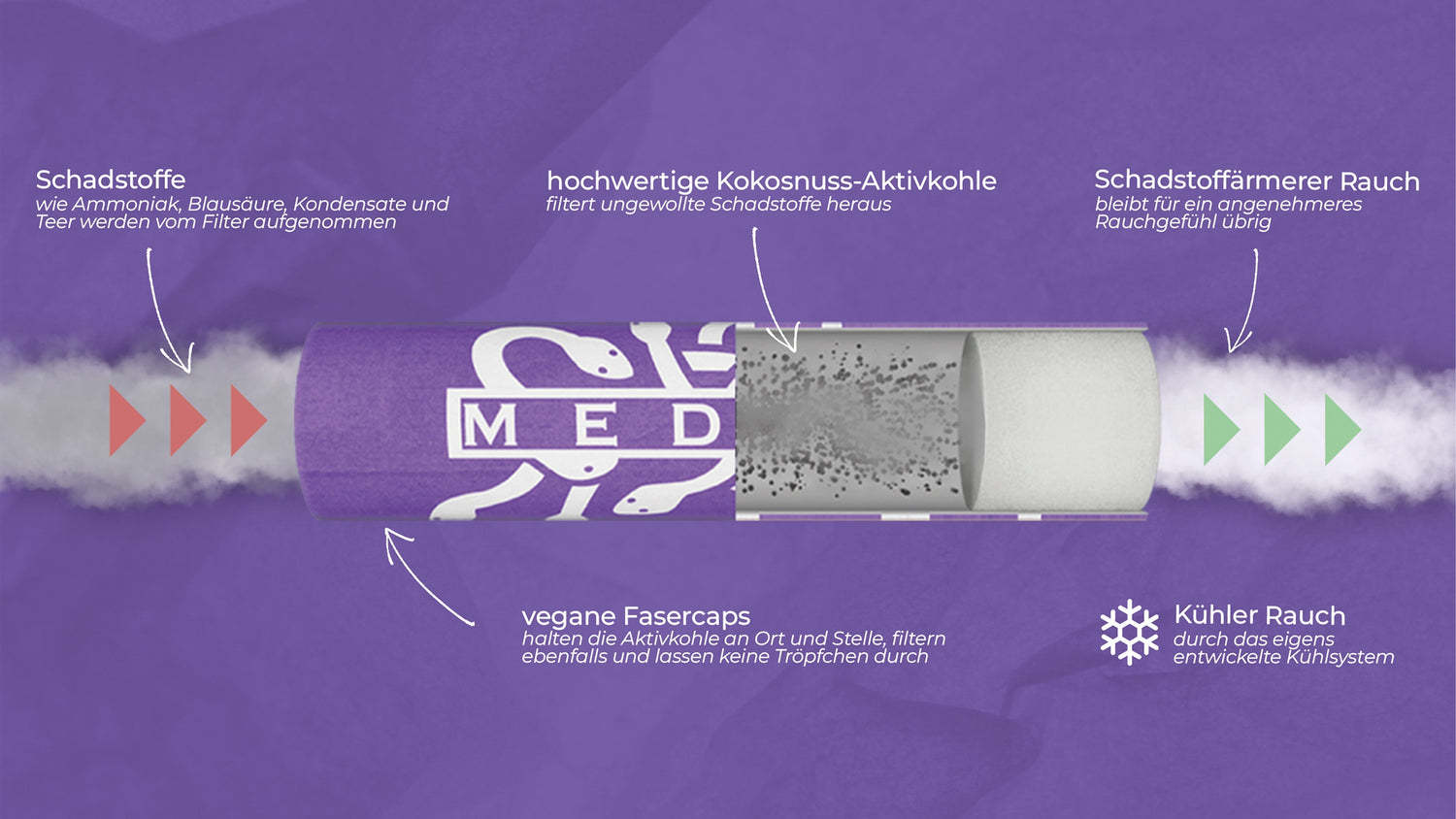
First of all, we need to define what makes an activated carbon filter a good activated carbon filter. Because they are all specially designed to give the consumer the most pleasant and lower-pollutant smoking experience possible. Filled with activated carbon, used in the form of pellets, granulate or a layer on a carrier material, the aim here is to achieve the highest possible filtering result. It's the inner values that count.
The activated carbon is produced naturally or by treatment with vapours or chemicals, creating pores that offer large surface areas. Under the microscope it looks rather moon-like. These pores allow the activated carbon to adsorb chemicals and pollutants contained in the smoke onto its surface. This means the finer the activated carbon, the higher the filtering result for the same amount (because of more surface area).
Adsorption is a process in which the pollutants stick to the surface of the activated carbon and are thus removed from the smoke. Through this process, harmful substances such as carbon monoxide, nitrogen oxides and tar are reduced.
The efficiency of an activated carbon filter therefore depends largely on the quantity, the form and the type of activated carbon. Here it is worth distinguishing once more between hard-coal and coconut activated carbon. The latter shows significantly improved filtering results. It is held in place by perforated ceramic caps or by open-pored cellulose caps.

Ceramic vs. cellulose caps – which is the better choice?
To arrive at a meaningful result here, this question has to be considered from several angles.
1. Pollutant reduction
The ceramic variant filters with coarse activated carbon pellets which, as we learned above, can absorb fewer pollutants. However, due to the design and to avoid bits of activated carbon in the mouth, there is no other way to solve this.
In addition, inhaling activated carbon dust while drawing can hardly be avoided. This quickly leads to a distorted taste and a higher pollutant load.
The cellulose variant, on the other hand, does not depend on any perforation and can therefore use much finer activated carbon. This provides higher filtering power with less activated carbon. In addition, the cellulose caps filter out the activated carbon dust and other coarser pollutants on both sides.
The taste is not distorted.
Active cellulose filter 1. Ceramic filter 0.
2. Draw & smoking behaviour
Here, too, the ceramic filter goes first again.
At first, the draw seems almost unchanged compared to the "tip". On closer inspection, however, one faces it somewhat more soberly.
Activated carbon has the property of liquefying at high temperatures. These prevail in the filter at all times - by drawing on the mouthpiece, the holes in the ceramic sleeve quickly close up. This results in a significantly reduced draw, up to complete blockage. If it additionally gets into the mouth when drawing too hard, the desired smoking experience is a thing of the past.
Ceramic filters have no heat protection, so the smoke is sometimes quite hot the closer you smoke towards the filter. At best, this can lead to dry, chapped lips.
The active cellulose filter -
The open-pored cellulose caps are real heroes for every consumer. Not only do they catch the liquid activated carbon without clogging, they also ensure a cool draw from start to finish even with a short filter length.
Because your lips are meant for kissing.
Active cellulose filter 2. Ceramic filter 0.
3. Environmental impact
First of all, it should be said that the correct disposal of every filter is a prerequisite for this comparison. Because of the pollutants captured in the filter, environmental pollution cannot be avoided if it is disposed of carelessly. But let us now turn to the production and material properties.
Besides a cardboard sleeve and design paper, the ceramic filter of course also uses the ceramic it is named after. This is one of the oldest materials in human history. Although it can basically be described as a natural product, even today ceramic production still requires enormous amounts of energy, because the ceramic often has to be fired or sintered for 6-12 hours at 800°C – 1400°C. With it, any claim to environmental neutrality in production goes up in flames too. As current studies show, what is particularly harmful to the environment is the fact that in the mass production of ceramic products fossil fuels are almost always used to fire the kilns – which results in correspondingly environmentally harmful emissions. In addition, ceramic is not biodegradable - so it can easily outlast a human lifetime or even entire generations.
Cellulose is different. More precisely, we are talking about cellulose acetate here. This is a biodegradable, bio-based plastic that can be used, for example, to produce sustainable packaging for food. Accordingly, it also ends up in municipal waste. Cellulose acetate (abbreviated CA) is indeed counted among the thermoplastics, but it is more of a modified natural material. During production, cellulose – usually present in the form of natural pulp – is esterified with acetic acid and acetic anhydride . This process is completely environmentally compatible.
Active cellulose filter 3. Ceramic filter 0.
Of course, when assessing and comparing two product groups, other factors such as price, brand standing and personal preferences also play a decisive role. This comparison is meant to be the basis for that.
Conclusion
The active cellulose filter ushers in a new phase of modern smoking - be part of the revolution.



Leave a comment
This site is protected by hCaptcha and the hCaptcha Privacy Policy and Terms of Service apply.