



Finally grow hemp – everything about growing cannabis at your home

With the upcoming legalisation of cannabis in Germany from 1 April 2024, which permits the possession of up to 25 grams for personal use and the cultivation of up to three cannabis plants, interest in growing cannabis at home is on the rise. This step is intended to curb the black market, improve health and youth protection and relieve the justice system.
Cannabis anbauen: die Kurzfassung
Die kurze Antwort: Erwachsene dürfen in Deutschland bis zu drei Cannabispflanzen am Wohnsitz für den Eigenbedarf anbauen. Von der Aussaat bis zur Ernte vergehen je nach Sorte drei bis sechs Monate: Keimung 2 bis 7 Tage, Wachstumsphase 3 bis 8 Wochen, Blüte 7 bis 12 Wochen. Draußen wird nach den Eisheiligen Mitte Mai gesät und im September oder Oktober geerntet.
The key facts about growing cannabis
The cannabis plant – everything you need to know about hemp
Learn all about the origin of the plant & how it has been researched over the centuries.
Read more
Do it yourself: how to harvest cannabis on your own
Want to do the gardening yourself? Here you'll learn when and how to harvest the cannabis plant.
Read more
Best results like from the coffeeshop – fermenting cannabis
Does marijuana only taste good in an Amsterdam coffeeshop? We'll show you how to achieve great results at home!
Read more
4. Antworten auf die häufigsten Fragen
Direkt beantwortet – plus welches Zubehör wirklich passt.
Mehr erfahren
The basics of cannabis cultivation
Growing cannabis is both an art and a science. It requires knowledge of the prerequisites for cultivation and of the plant's various growth phases, from germination to harvest. Here are some basic steps:
Choosing the seeds
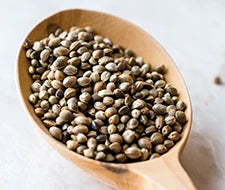
The choice of seeds is decisive for the quality and type of the end product. There are various cannabis strains, each with its own characteristics in terms of effect, flavour and growing conditions.
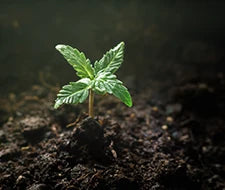
Germination
The seeds first have to germinate, which can be done in moist cloths or directly in the soil. The right temperature and moisture are crucial here.
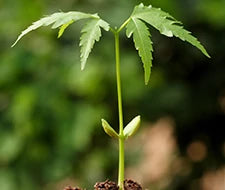
Plant care
Cannabis needs plenty of light, the right amount of water and nutrients as well as a controlled environment for optimal growth. The use of special lamps for indoor cultivation may be necessary.
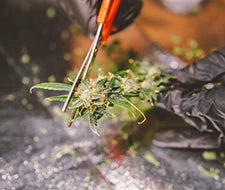
Pruning and training
To maximise the yield, it can be helpful to prune and train the plants. Techniques such as topping and LST (Low Stress Training) encourage bushier growth and more flowers.
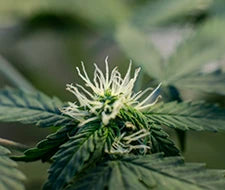
Flowering
The flowering phase begins when the light conditions are changed (for indoor cultivation). During this time the plants develop the characteristic flowers or buds.
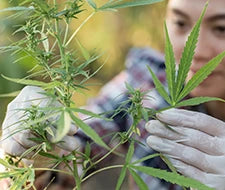
Harvest and drying
After the flowering period the plants are ready for harvest. The flowers then have to be dried and stored properly to prevent mould and preserve the potency.
The cannabis plant – everything you need to know about hemp
The cannabis plant has fascinated humanity for thousands of years and remains an important topic in various cultures around the world to this day. From its origins as one of the oldest cultivated plants to its modern use for medical, industrial and recreational purposes, cannabis has made an impressive journey through history. Yet while many talk about the diverse uses and the potential health benefits of cannabis, the cultivation of this plant often stays in the shadows. In this article we want to take a closer look at growing cannabis, from the various strains and their characteristics to the right cultivation techniques and the legal framework in Germany. We will look at the basic needs of the cannabis plant, such as light, water and nutrients, and discuss how best to dry, ferment and store it. In addition, we will examine the various cultivation techniques such as indoor and outdoor growing as well as hydroponic methods and the use of greenhouses. Whether you are an experienced grower or just starting to take an interest in growing cannabis, we hope this article offers you valuable insights and information to enrich your experience and improve your results. Let's dive together into the world of cannabis cultivation and discover this fascinating plant!
Our products for your home-grown cannabis


Do it yourself: how to harvest cannabis on your own
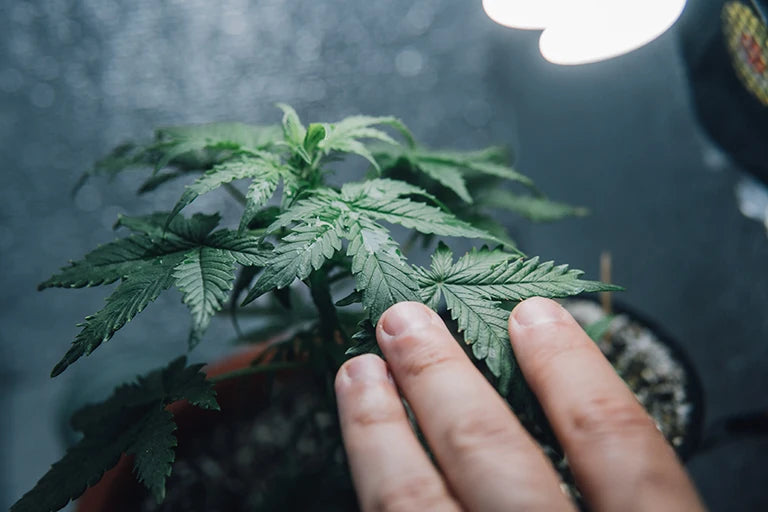
Harvesting cannabis is a decisive step for every grower in order to ensure high-quality products. The optimal time for the harvest depends on the ripeness of the trichomes, tiny resin glands on the flowers that are rich in cannabinoids. Careful preparation is essential. This includes obtaining high-quality tools such as sharp scissors and gloves as well as creating a clean working area to avoid contamination. During the actual harvesting process it is crucial to handle the plants gently so as not to damage the delicate trichomes. After the harvest, thorough drying is required, which should take place in a dark, well-ventilated room. Monitoring the humidity and temperature during the drying process is crucial to ensure the quality of the end product. Through this careful process, growers and hobby gardeners can make sure that their cannabis has the desired quality, potency and shelf life.
Best results like from the coffeeshop – fermenting cannabis
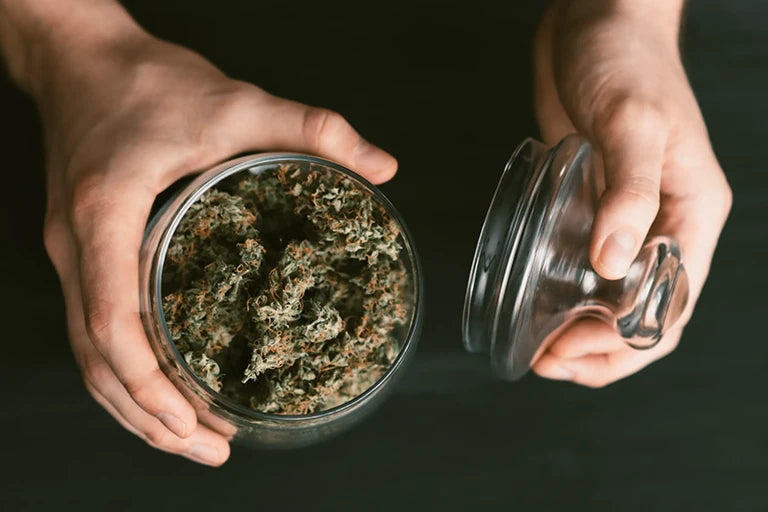
Fermenting cannabis, often an underrated step after the harvest, plays a decisive role in improving the quality of the cannabis leaves and flowers. This process triggers biochemical changes in the plant parts that can have a positive effect on flavour, aroma and potency. In particular, fermentation enables the conversion of certain compounds in the flowers, which leads to a richer and more complex sensory experience. In addition, it helps to break down potentially harmful compounds and reduce undesirable flavour notes. It is important to recognise the optimal moment for fermentation, which is characterised by cannabis flowers that are dry on the outside but still slightly moist on the inside. These have to be carefully prepared and stored in airtight glass containers, ideally in a cool, dark place. A regular exchange of air, known as "burping", is crucial in the first few days to release excess moisture and promote even fermentation. The benefits of fermentation are diverse and range from improving flavour and aroma to increasing potency and extending the shelf life of the end product. Patience and thorough observation throughout the process are of great importance in order to achieve an optimal result.
New regulation in Germany from April 2024:
From 1 April 2024, a new legal framework for dealing with cannabis will apply in Germany. This change provides for the legalisation of the possession of up to 25 grams of cannabis for personal use as well as the cultivation of up to three cannabis plants. In addition, communal cultivation in so-called cannabis clubs will be possible under strict conditions. For more information, please visit the official page of the German Bundestag.
Storing cannabis correctly and keeping it fresh for a long time
Storing cannabis is no simple matter; it requires an understanding of the complexity of this plant and the factors that influence its quality. Light, humidity, temperature – all these elements play a role. Protection from UV light is crucial, as it can impair the potency of the cannabinoids. Airtight containers are essential to prevent the ingress of oxygen, which accelerates the oxidation process and impairs the aroma. Moisture is another important aspect; too much of it can encourage mould, while too little results in the flowers drying out. The ideal storage temperature is between 15 and 21 degrees Celsius in order to preserve the freshness of the cannabis flowers. In addition to storage, controlling the smell is also important, above all for reasons of discretion. Freezing offers a long-term solution, but it requires careful drying to avoid moisture. Last but not least, regular checks are essential in order to identify and address potential problems early on. In the art of storing cannabis lies the key to getting the best out of this remarkable plant.
Our products for your DIY cannabis
Does cannabis have an expiry date? Keeping marijuana usable for as long as possible
The shelf life of cannabis is of great importance to you as a consumer or medical user. It is influenced by various factors such as the storage conditions, the quality of the harvest and the processing. If you want to keep your cannabis fresh for as long as possible, correct storage in an optimal environment that is protected from light, humidity and temperature fluctuations is crucial. On cannabis products you will often find a best-before date (BBD) indicating until when the product retains its maximum freshness. Nevertheless, it is important to watch for signs of deterioration such as discolouration, a musty smell and a fading flavour in order to make sure the product is still of high quality. By choosing suitable storage containers and following the recommended storage conditions, you can extend the shelf life of your cannabis and ensure that it stays fresh whenever you want to consume it. This way you can experience the full effect and enjoyment of your cannabis product without having to worry about its quality.
Wie baut man Cannabis an? Die sechs Phasen
Direktantwort: Jeder Anbau durchläuft dieselben sechs Phasen – Keimung, Sämling, Wachstum, Blüte, Ernte und Trocknung. Wer die Phasen kennt, weiß jederzeit, was die Pflanze gerade braucht.
- Keimung (2–7 Tage): Samen zwischen feuchtem Küchenpapier oder direkt in Anzuchterde bei etwa 22 bis 25 °C. Sobald die Wurzelspitze 1 bis 2 Zentimeter misst, kommt der Samen in die Erde.
- Sämling (1–3 Wochen): Wenig gießen, viel Licht. Der erste echte Blattpaarsatz zeigt an, dass die Pflanze auf eigenen Beinen steht.
- Wachstumsphase (3–8 Wochen): Drinnen mit 18 Stunden Licht und 6 Stunden Dunkelheit. Die Pflanze baut Blattmasse und Struktur auf – hier entscheidet sich, wie viel Blüte später Platz hat.
- Blüte (7–12 Wochen): Drinnen wird der Lichtzyklus auf 12/12 umgestellt, draußen übernimmt der kürzer werdende Tag ab August. Jetzt bilden sich die Blüten.
- Ernte: Der Zeitpunkt hängt an den Trichomen, nicht am Kalender – dazu unten mehr.
- Trocknen und Fermentieren: 7 bis 14 Tage hängend trocknen bei 18 bis 20 °C, danach 2 bis 4 Wochen im Glas nachreifen lassen.
Wann säst du aus? Der Zeitplan für drinnen und draußen
Direktantwort: Draußen wird nach den Eisheiligen Mitte Mai ausgesät und Ende September bis Oktober geerntet. Drinnen gibt es keine Saison – dort bestimmt der Lichtzyklus den Rhythmus, du kannst das ganze Jahr über starten.
Wer draußen anbaut, kann ab Ende März auf der Fensterbank vorziehen und die Jungpflanzen nach der letzten Frostnacht ins Freie setzen. Wichtig ist der Standort: mindestens sechs Stunden direkte Sonne, windgeschützt und – gesetzlich vorgeschrieben – vor dem Zugriff durch Minderjährige gesichert.
Autoflowering-Sorten blühen unabhängig vom Lichtzyklus und sind nach etwa 10 bis 12 Wochen fertig. Sie sind damit die einfachste Wahl für den ersten Versuch und erlauben draußen sogar zwei Durchgänge pro Sommer.
Indoor oder Outdoor: Was passt zu dir?
Direktantwort: Outdoor ist günstiger und einfacher, hängt aber komplett vom Wetter ab. Indoor kostet Strom und Ausrüstung, gibt dir dafür volle Kontrolle über Licht, Temperatur und Luftfeuchte – und funktioniert ganzjährig.
Für Outdoor spricht: keine Stromkosten, kein Zeltaufbau, Sonnenlicht ist unschlagbar. Dagegen: Regen und Kälte im Herbst können die Blüte in wenigen Tagen ruinieren, und Sichtschutz ist Pflicht.
Für Indoor spricht: planbare Ernte, keine Wetterrisiken, kürzere Zyklen. Dagegen: Zelt, Lampe, Abluft und Ventilator sind eine Anschaffung, und der Stromverbrauch summiert sich über die Blütewochen.
Faustregel für Einsteiger: Wer einen ruhigen Balkon oder Garten hat, startet draußen mit einer Autoflower. Wer ganzjährig und planbar ernten will, baut drinnen auf.
Wie lange dauert es von der Aussaat bis zur Ernte?
Direktantwort: Rechne mit 3 bis 6 Monaten. Autoflowering-Sorten brauchen von der Keimung bis zur Ernte etwa 10 bis 12 Wochen, photoperiodische Sorten drinnen rund 4 bis 5 Monate und draußen die volle Saison von Mai bis Oktober.
Nach der Ernte kommt die Zeit, die viele unterschätzen: 7 bis 14 Tage Trocknung, danach 2 bis 4 Wochen Fermentierung im verschlossenen Glas bei 55 bis 62 Prozent relativer Luftfeuchte. Erst dieser Schritt macht aus grasigem Rohmaterial ein rundes Aroma – wer ihn überspringt, verschenkt den größten Teil der Arbeit.
Die fünf häufigsten Anfängerfehler
Direktantwort: Die meisten Ausfälle beim Eigenanbau haben nichts mit Genetik zu tun, sondern mit zu viel Wasser, zu viel Dünger und zu früher Ernte.
- Zu viel gießen. Erst wieder wässern, wenn die oberen zwei bis drei Zentimeter Erde trocken sind. Staunässe erstickt die Wurzeln.
- Überdüngen. In den ersten Wochen reicht vorgedüngte Anzuchterde völlig. Verbrannte Blattspitzen sind das erste Warnsignal.
- Zu früh ernten. Wer nach Kalender statt nach Trichomen erntet, verliert Wirkung und Aroma.
- Zu wenig Luftbewegung. Stehende, feuchte Luft ist die Hauptursache für Schimmel in dichten Blüten – ein einfacher Ventilator löst das Problem.
- Zu schnell trocknen. Heizungsluft trocknet die Außenseite in zwei Tagen, innen bleibt Feuchtigkeit. Langsam und dunkel ist besser.
In view of the upcoming legalisation of cannabis and the growing popularity of home cultivation, it is important that aspiring adult growers inform themselves about the basics of cultivation and learn the right techniques. Growing cannabis requires patience, care and knowledge, but the rewards can be immense. From choosing the seeds to harvesting and storage, there are many aspects to consider in order to produce high-quality cannabis. By engaging with the various phases of the cultivation process and taking legal provisions into account, growers can ensure that they not only produce high-quality cannabis but also help to curb the black market and improve legal access to this fascinating plant. With the legalisation of cannabis and the possibility of growing it at home, new opportunities are opening up for growers and enthusiasts to explore and experience the world of cannabis cultivation. Whether you are an experienced gardener or just starting out, growing cannabis offers a rewarding and exciting experience. By applying the right techniques and complying with legal regulations, you can not only produce high-quality cannabis for personal use but also help relieve the justice system and secure access to this versatile plant. Let's dive together into a future in which growing cannabis at home can be part of our everyday life, and enjoy the benefits of this remarkable plant to the full.
Here you'll find more on the topic of cannabis


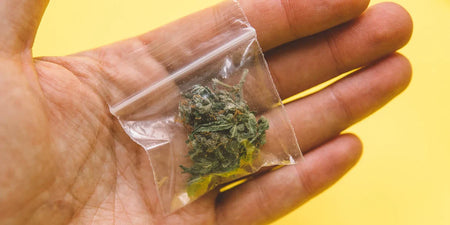
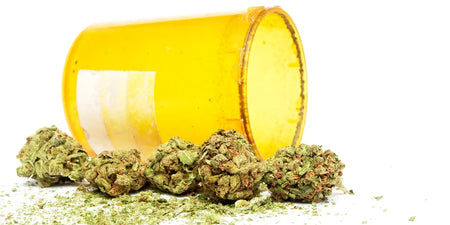
Ist das in Deutschland legal? (Stand 2026)
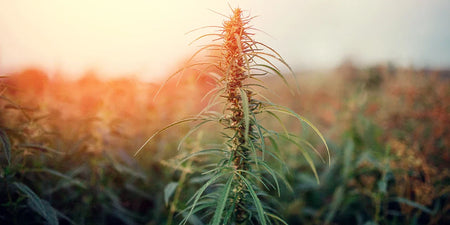
Cannabis ist in Deutschland seit dem Konsumcannabisgesetz (KCanG) vom 1. April 2024 für Erwachsene unter klaren Grenzen legal – Stand 2026 unverändert. Die wichtigsten Eckpunkte:
- Besitz: bis 25 g unterwegs, bis 50 g am Wohnsitz.
- Eigenanbau: bis 3 Pflanzen pro volljähriger Person, vor dem Zugriff durch Minderjährige geschützt.
- Konsumverbote: nicht in Sichtweite von Schulen, Kinder- und Jugendeinrichtungen, Spielplätzen und Sportstätten.
- Weitergabe & Verkauf bleiben verboten.
Das ist eine allgemeine Einordnung und keine Rechtsberatung. Für Zubehör wie Filter, Papers oder Grinder gelten diese Grenzen nicht – Rauchzubehör ist frei erhältlich.
Frequently asked questions about cannabis
From 1 April 2024, the possession of up to 25 grams of cannabis for personal use as well as the cultivation of up to three cannabis plants is legalised. Communal cultivation in so-called cannabis clubs is also subject to strict conditions.
The basic steps include choosing high-quality seeds, germination, plant care during the growth phases, pruning and training the plants, the flowering phase as well as the harvest and drying of the flowers.
Fermentation has a positive effect on the flavour, aroma and potency of the end product by bringing about biochemical changes in the plant parts. It enables a richer sensory experience and helps to reduce undesirable flavour notes.
Optimal storage requires airtight containers, protection from light and UV radiation, suitable humidity and temperature as well as regular checks for discolouration and changes in smell.
Cannabis has no fixed expiry date, but its shelf life is influenced by storage conditions, harvest quality and processing. Through suitable storage and monitoring, the shelf life can be maximised in order to ensure the quality of the end product.
Volljährige dürfen Samen für den erlaubten Eigenanbau erwerben, auch aus anderen EU-Ländern. Die Menge muss zum zulässigen Anbau von drei Pflanzen passen, und die Weitergabe an Minderjährige ist verboten. Regelungen unterscheiden sich im Detail zwischen den Bundesländern – im Zweifel vorher informieren.