





Mango Haze: A sweet temptation for cannabis lovers
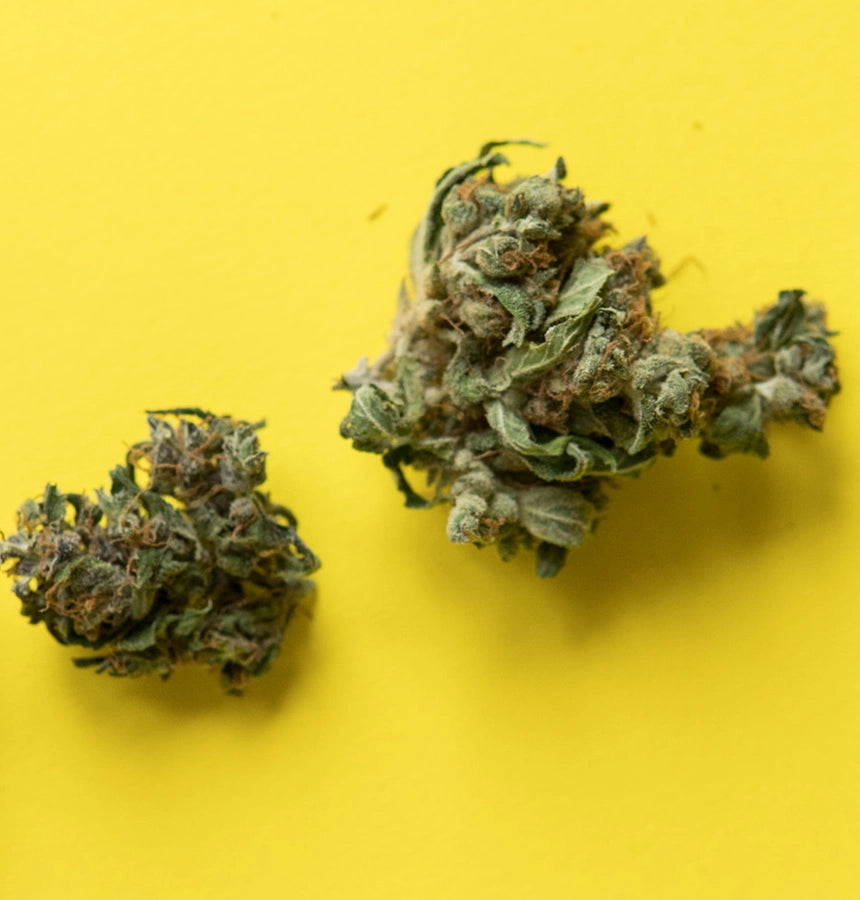
 Hybrid: Sativa-dominant (ca. 60 %)
Mango Haze Highlights
Parents
Taste & Smell
Effect
Terpenes

The key facts at a glance:
1. The origins of Mango Haze
Discover how Mango Haze was created by crossing three legendary strains and why it is far more than just a name with tropical flair.
Learn more
2. Effect, taste and terpene profile of Mango Haze
Discover why Mango Haze, with its tropical aroma, balanced effect and intriguing terpene structure, is one of the most versatile Sativa hybrids.
Learn more
3. Growing Mango Haze step by step
Learn step by step how to successfully grow Mango Haze – from seed to harvest, for tropical, aromatic buds with an impressive yield.
Learn more
4. Effect, THC content & legal status 2026
Sativa or Indica, THC content, duration of effect – and what the law says in Germany.
Learn more
Mango Haze – briefly explained
Mango Haze is a Sativa-dominant hybrid (around 60 % Sativa) from Mr. Nice, known for its tropical mango aroma with a citrus note. According to lab values from individual batches, the THC content is usually between 18 and 24 %. Users describe a clear head, creative impulses and a slightly euphoric, invigorating note. The flowering time is around 9 to 11 weeks.
Some strains simply stick in your mind – and Mango Haze is definitely one of them. With its tropical, fruity aroma, its clear, activating high and genetics that are truly impressive, this hybrid has long secured a firm place among the most popular Sativa-dominant strains. Whether on the first draw or already when opening the jar – Mango Haze delivers exactly what the name promises: a touch of the exotic, paired with real power.
But what is actually behind this strain? How does it really work? And what should you keep in mind if you want to grow Mango Haze yourself? In this article we take a close look at this sweet temptation – from its origins to tips for consumption.
The origins of Mango Haze
Mango Haze is not a strain that came about by chance – it was bred with precision and experience. Its roots lie in the cross of Northern Lights #5, Skunk #1 and Haze – three absolute classics among cannabis strains. This genetic makeup brings not only stability and resilience, but also a perfect balance between relaxing depth and the clarity typical of Sativas.
Mango Haze was originally developed by the breeders at Mr. Nice Seedbank – with the aim of creating a strain that combines an intense, tropical aroma with a motivating, creative effect. The combination of a rich fruit profile and the mental lightness of classic Hazes quickly made the strain an insider tip – and later a well-established name on the international market.
Particularly noteworthy: despite the name, Mango Haze is not just a marketing gimmick. The fruity note actually comes from its genetic depth – a characteristic that experienced growers and connoisseurs recognise immediately.
Our product recommendations for a more pleasant smoking experience

Effect, taste and terpene profile of Mango Haze
Mango Haze is one of those cannabis strains that stand out not only for their name but also for the complete package. In terms of taste, a sweet, fruity mango note clearly dominates, accompanied by citrusy and slightly spicy undertones. The aroma is so intense and tropical that many associate it with fresh mango as soon as they open the jar – a real highlight for anyone who loves fruity cannabis strains.
The effect of Mango Haze is just as impressive as its taste. As a rather Sativa-dominant hybrid, it delivers a clear, activating high that stimulates the mind without overwhelming the body. Many consumers report a creative flow, increased concentration and a slight euphoria – ideal for daytime use or moments when you want to stay focused yet relaxed. Despite its Sativa profile, the Indica share provides a subtle physical balance that pleasantly rounds off the overall feeling.
The THC content of Mango Haze is usually between 17 and 24 %, depending on the phenotype, which makes it a potent yet still easily manageable strain – even for less experienced consumers. The CBD share is comparatively low, but still plays a role in the effect through its interplay with the terpene profile. Dominant terpenes such as myrcene, caryophyllene and pinene contribute to the aromatic and slightly energetic experience.
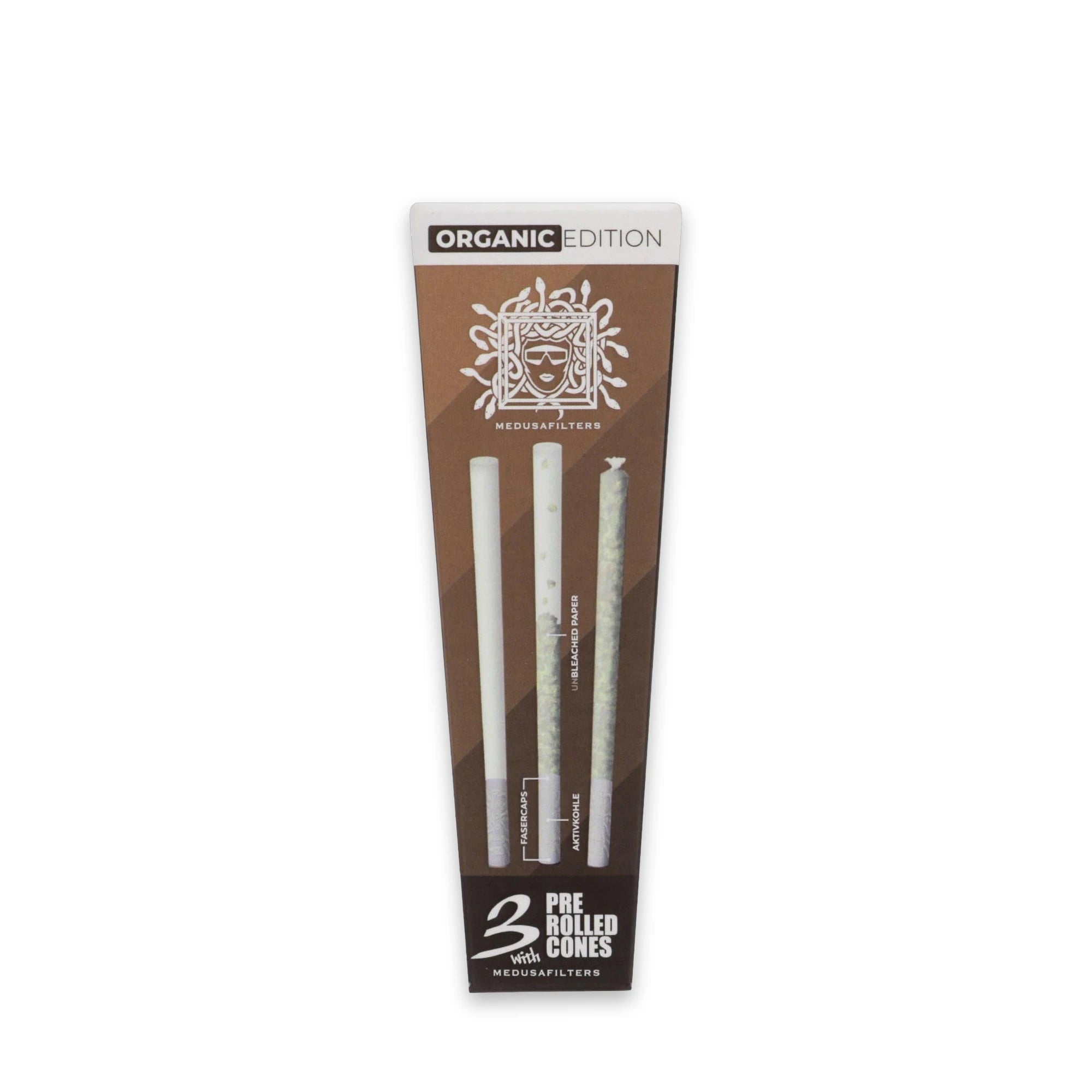
Mango Haze is thus a prime example of how cannabis can not only relax but also inspire – provided you know how to appreciate the right balance. And anyone who wants to enjoy the fruity aromas of this strain in their purest form should pay attention to high-quality companions: activated carbon filters like those from Medusafilters ensure a smooth draw – without distorting the fine mango terpene profile.
Growing Mango Haze step by step
Even though Mango Haze requires a little finesse, growing it is absolutely achievable with the right preparation – even for dedicated beginners. Here you will find all the important steps for successfully cultivating this tropical strain.
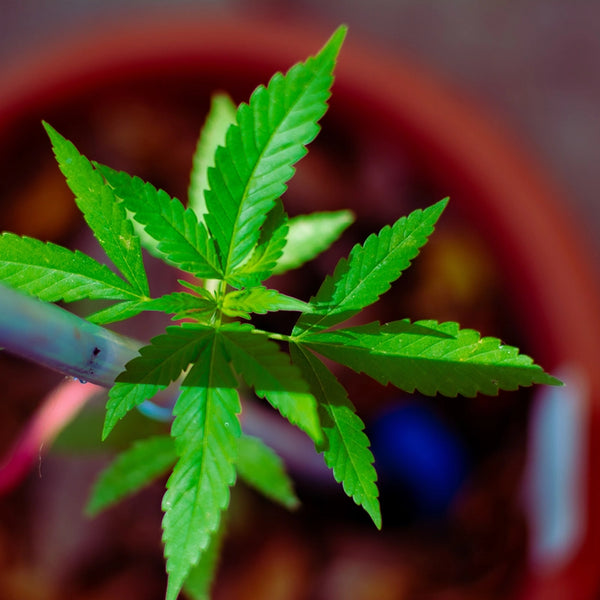
1. Choosing the right growing method:
Mango Haze feels particularly at home in an indoor grow, since temperature, humidity and lighting conditions can be optimally controlled there. Anyone who wants to grow outdoors needs the warmest possible climate with long, sunny days – because Mango Haze seeds like it tropical. Alternatively, growing in a greenhouse is also a clever solution, especially if you want to keep an eye on the flowering time.
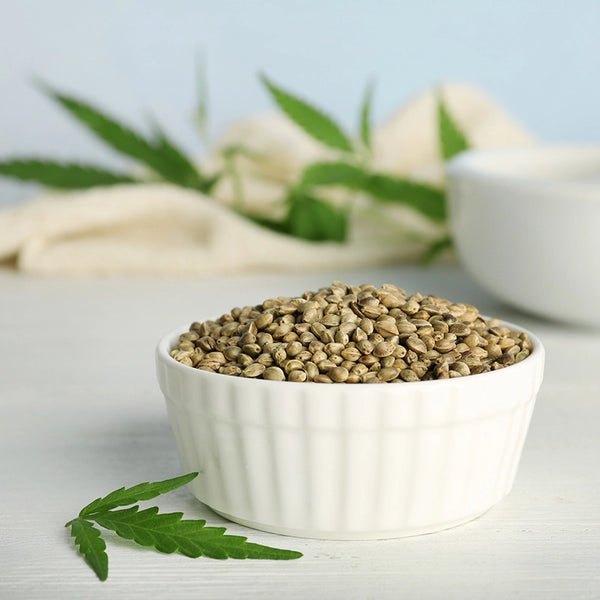
2. Feminised or autoflowering?:
Anyone who wants flowering plants as reliably as possible should opt for feminised seeds – that way only female plants end up in the grow room. Autoflowering versions of Mango Haze do exist, but for this Sativa-dominant strain classic feminised seeds usually remain the first choice when it comes to aroma, yield and potency.
3. Paying attention to the growth phase:
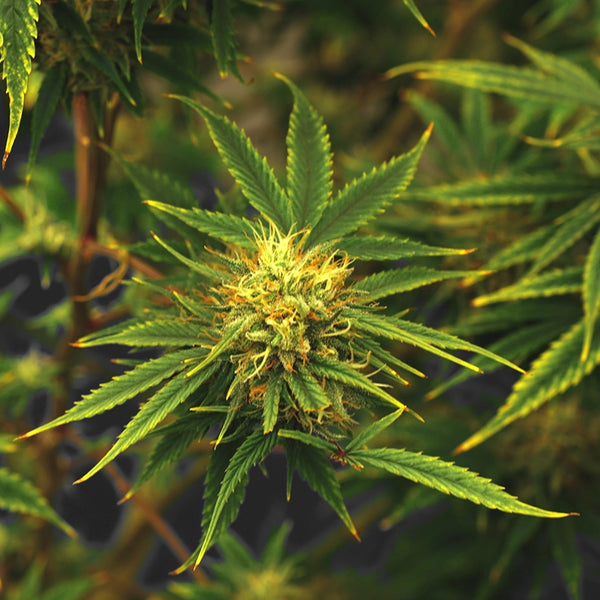
Since Mango Haze can grow quite tall, it is important to control the growth early on. Techniques such as Low Stress Training (LST) or ScrOG can help to get the height under control while at the same time maximising light yield. During this phase, pay particular attention to a steady nutrient supply without overfeeding the plants – Sativa strains in particular are often somewhat more sensitive to overfertilisation.
4. Flowering time and timing:
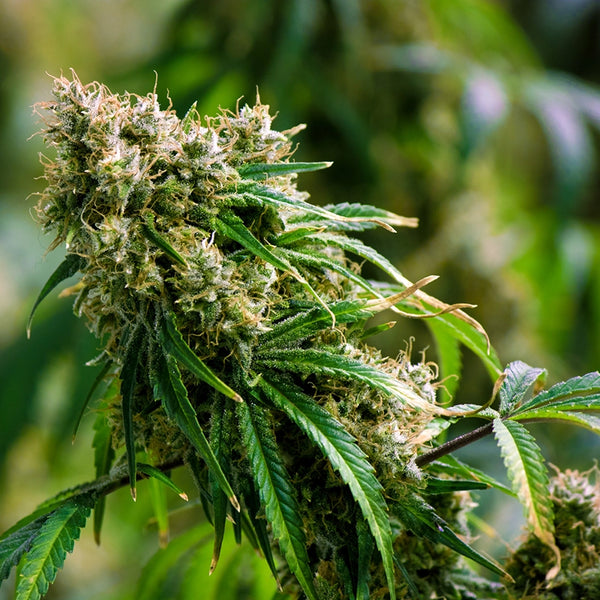
The flowering time of Mango Haze is around 9 to 11 weeks – slightly longer than with Indica-heavy strains, but the wait is worth it. Outdoors, the harvest time can fall between the end of October and mid-November, depending on the location. Keep the humidity low during flowering to prevent mould and allow the trichomes to ripen optimally.
5. The right time to harvest:
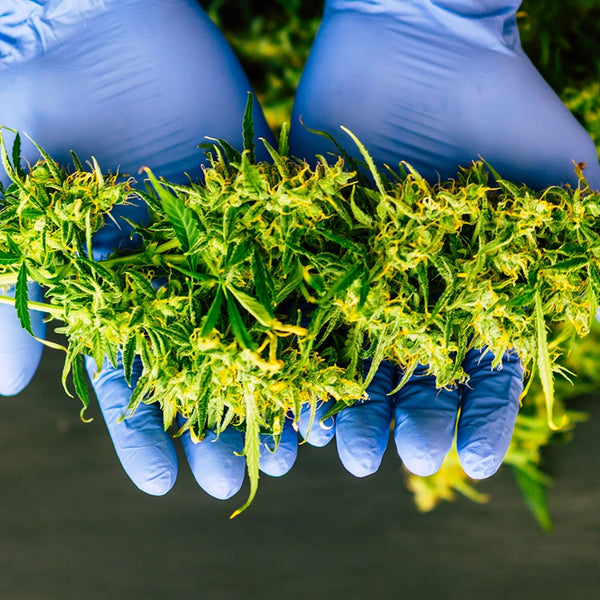
Mango Haze shows its degree of ripeness through milky-white to slightly amber trichomes. When around 70 % are milky and 30 % slightly orange, it is time for the scissors. Anyone who prefers a more heady effect can harvest a little earlier – for a deeper effect, a later cut helps.
6. Drying, curing – and enjoying:
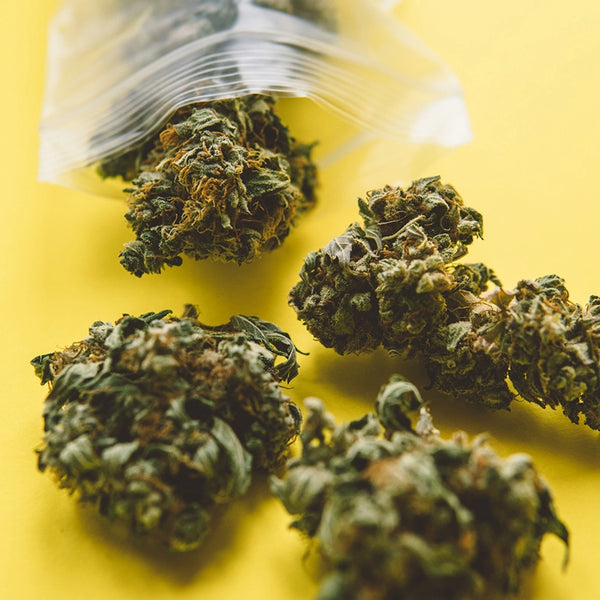
After the harvest comes the supreme discipline: slow drying at around 18–20 degrees Celsius. After that, you should cure the buds for at least two weeks to develop the full aroma profile. This is where what makes Mango Haze so special becomes apparent: a smooth, tropical, fruity result that clearly stands out in terms of taste – especially if you focus on quality when consuming.
With a little patience, finesse and the right setup, Mango Haze will reward you with a considerable yield, a rich fruit aroma and resinous buds. Whether indoors or outdoors – anyone who treats this strain properly will be rewarded with a growing experience that definitely leaves you wanting more.
Is Mango Haze legal in Germany? (As of 2026)
In Germany, cannabis has been legal for adults within clear limits since the Cannabis Act (KCanG) of 1 April 2024 – unchanged as of 2026. The most important key points:
- Possession: up to 25 g when out and about, up to 50 g at your place of residence.
- Home cultivation: up to 3 plants per adult, protected from access by minors.
- Consumption bans: not within sight of schools, children's and youth facilities, playgrounds and sports grounds.
- Passing on & sale remain prohibited.
This is a general classification and not legal advice. These limits do not apply to accessories such as filters, papers or grinders – smoking accessories are freely available.
FAQ about the Mango Haze strain
Do you want to dive even deeper into the world of Mango Haze? Here you will find answers to common questions – from everyday suitability to aroma tips. Ideal if you are still considering whether this strain suits you – or simply want to get the most out of it.
With around 18 to 24 % THC, Mango Haze is considered a comparatively potent strain. Experienced users appreciate its clear, head-focused character. Beginners should start with a low dose and wait to see how they react. Since the effect is described as more invigorating than sedating, many associate the strain with daytime use. Specific values always depend on the particular batch.
To bring out the tropical mango aroma of Mango Haze, the right accessories help. A grinder breaks up the buds evenly so they can be processed more cleanly. Thin papers ensure a steady burn, and an activated carbon filter can make the draw noticeably cooler and smoother. This helps preserve the fine terpenes better. You will find suitable accessories in the Medusafilters range.
The aroma profile of Mango Haze is shaped primarily by myrcene, pinene and caryophyllene. Myrcene provides the fruity-sweet, slightly earthy base note, pinene adds a fresh, herbal nuance, and caryophyllene contributes a spicy, peppery accent. Together, these terpenes create the characteristic mix of tropical mango and citrus. The exact terpene profile can vary slightly depending on cultivation and batch.
Mango Haze was developed by the Mr. Nice Seedbank and is a cross of Northern Lights #5, Haze and Skunk #1. This combination unites the lively, head-focused Haze character with somewhat more stability in growth. The strain became known above all for its pronounced tropical mango aroma and its potent, Sativa-dominant character, which sets it apart from many classic Haze varieties.
In addition to the classic, photoperiod Mango Haze, autoflowering versions are also available on the market. Autoflower strains switch into flowering on their own, independently of the light cycle, and are therefore often ready to harvest more quickly. Such versions can deviate slightly from the original genetics in aroma and effect, but usually retain the tropical mango note. When buying seeds, pay attention to the exact strain designation and the provider's specifications.
To preserve the tropical mango-citrus aroma for as long as possible, you should store Mango Haze in a cool, dark and airtight place. Opaque containers with a tight seal are well suited. Too much heat, light and air cause the sensitive terpenes to dissipate more quickly. A stable, not too dry environment also helps to preserve the consistency and aroma. This keeps the strain's characteristic mango impression fresh for longer.
Perhaps also interesting for you?


Our Medusafilters conclusion
Mango Haze is more than just a resonant name – it is a strain that impresses in terms of both taste and genetics. With its tropical, fruity note, its clear, activating effect and stable growth, it combines many qualities that both beginners and experienced consumers appreciate. Its balanced ratio between Sativa dynamism and a gentle Indica base in particular makes it versatile to use – during the day as well as in creative phases.
When it comes to growing, too, Mango Haze proves to be a worthwhile choice. Anyone who engages a little with the plant and brings some patience will be rewarded with aromatically dense buds that clearly stand out from more everyday green – whether indoors, in a greenhouse or, under good conditions, outdoors as well.
To make sure everything is right during consumption, it is worth paying attention to high-quality details: the activated carbon filters from Medusafilters support a pleasant draw, while the premium papers allow an even burn – without affecting the typical mango aroma. Practical tools such as the Spike Grinder and metal ashtrays, which combine functionality and design in one, provide even more comfort.
Sources:
https://www.allbud.com/marijuana-strains/hybrid/mango-haze
Is Mango Haze Sativa or Indica?
Mango Haze is a Sativa-dominant hybrid with around 60 % Sativa and 40 % Indica.
Mango Haze is one of the classic Sativa hybrids and goes back to the breeders of the Mr. Nice Seedbank. Genetically, the strain combines Northern Lights #5, Haze and Skunk #1 – a combination that unites the invigorating Haze character with a more stable structure. The Sativa share of around 60 % shapes both the growth and the experience: users report a rather head-focused, clear impression instead of a physically heavy note. The Indica share provides somewhat more compactness in growth and rounds off the profile. For consumption, being classified as a Sativa hybrid means that many users tend to place Mango Haze during the day. Anyone looking for a detailed description of the individual characteristics will find sections on THC content, effect, flowering time and aroma further below. In short: Mango Haze is neither a pure Sativa nor a pure Indica, but a Sativa-dominant hybrid that combines the typical Haze liveliness with a tropical mango aroma.
How high is the THC content of Mango Haze?
According to lab values from individual batches, the THC content of Mango Haze is usually between 18 and 24 %.
Mango Haze is considered a potent strain whose THC values fluctuate depending on cultivation, harvest and batch. Various sources and lab values from individual batches cite a range of around 16 to 24 %, with many figures being around 20 %. The CBD content is low, usually below 1 %, which is typical of Sativa-dominant Haze genetics. Because the values depend heavily on conditions such as light, timing of the harvest and processing, you should always take specific figures from the respective batch or the lab certificate rather than relying on a blanket average. For beginners, the comparatively high THC share means that a low starting dose can be advisable in order to gauge your own reaction. Experienced users appreciate precisely the combination of noticeable strength and the clear, head-focused character of Mango Haze. Important: the percentages mentioned are guide values and not a guarantee for a particular product.
How does Mango Haze work and how long does the effect last?
Mango Haze acts predominantly in a head-focused, clear and slightly euphoric way; depending on the dose and form of consumption, the effect usually lasts one to three hours.
Users describe the effect of Mango Haze as typically Sativa-dominant: an alert, clear head, creative impulses and a slightly euphoric, invigorating mood. Instead of a heavy body sensation, the stimulating, mentally active experience is in the foreground, which is why many associate the strain more with daytime or social moments. How strong and how long the effect is depends on individual tolerance, the dose, the form of consumption and the THC content of the respective batch. When smoking or vaporising, the effect usually sets in within a few minutes and fades again after about one to three hours. With oral intake, the onset can occur considerably later and last longer. Since Mango Haze is comparatively potent, a low starting dose is advisable especially for inexperienced users, in order to calmly gauge your own reaction. The impressions described here come from user reports and do not replace an individual assessment.
How long is the flowering time of Mango Haze?
The flowering time of Mango Haze is around 9 to 11 weeks (about 63 to 77 days).
As a Sativa-dominant Haze strain, Mango Haze requires a little patience: the flowering phase lasts around 9 to 11 weeks, i.e. approximately 63 to 77 days, depending on the source and phenotype. Some figures cite around 66 days as a guide value, while particularly Haze-heavy phenotypes can come closer to 11 weeks. Indoors, under good conditions, the yield can be put at around 450 to 550 grams per square metre; outdoors, a late harvest time is usually cited. As with all strains, these values are guide figures that depend heavily on light, nutrients, climate and the grower's experience. The growth benefits from the more compact Indica share, but remains rather stretchy, as is typical of Haze. The cultivation of cannabis is subject to legal requirements in Germany – find out about the currently applicable rules before any undertaking. The periods mentioned serve solely for the general classification of the strain.
How does Mango Haze taste and smell?
Mango Haze tastes and smells distinctly of ripe mango, tropical fruits and a fresh citrus note.
The aroma is the hallmark of Mango Haze: sweet, tropical mango is clearly in the foreground and is accompanied by citrusy, slightly spicy nuances. Responsible for this profile are, among others, the terpenes myrcene, pinene and caryophyllene. Myrcene contributes the fruity-sweet, somewhat earthy base, pinene provides a fresh, slightly herbal note, and caryophyllene adds a subtly spicy, peppery accent. When vaporising at moderate temperatures, the fruity terpenes come through particularly clearly, while higher temperatures emphasise the spicy components. In the taste, the tropical impression continues, often with a smooth, sweetish finish. For many users, it is precisely this mango-citrus profile that is the reason why they prefer the strain to a more earthy, woody classic. To preserve the fine aromas, the right storage, clean grinding and a suitable form of consumption play an important role.