


Durban Poison: The Pure Sativa Kick for True Connoisseurs
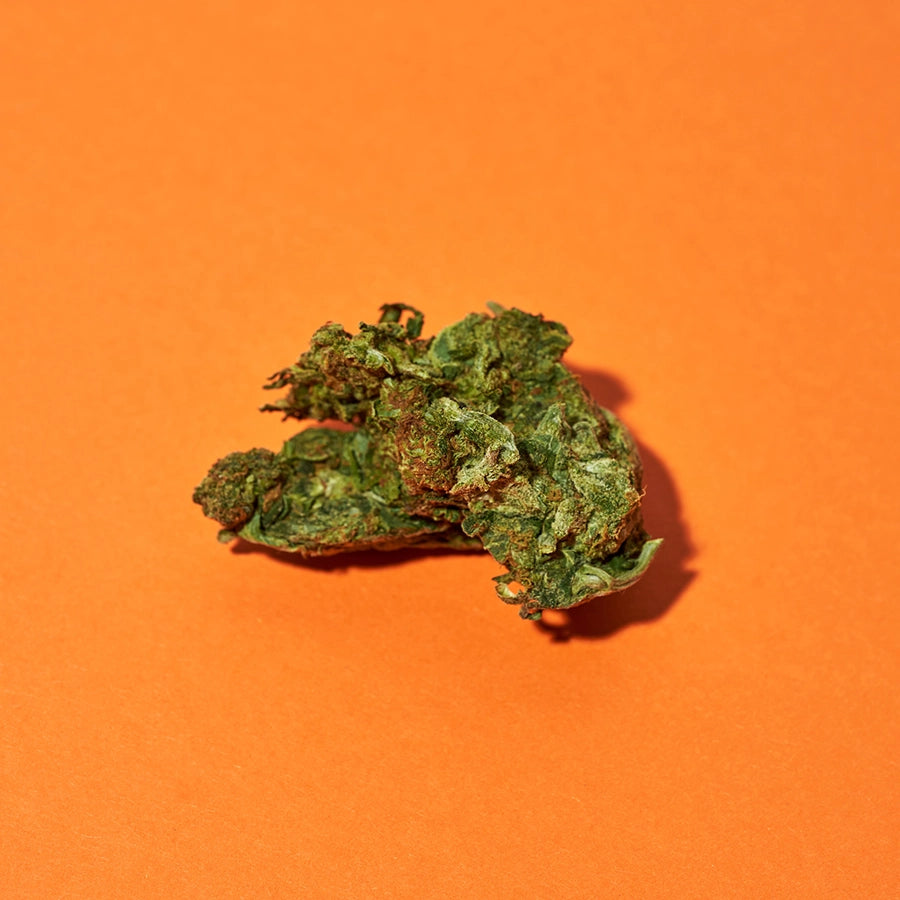
 Sativa (reine Sativa, 100 %)
Durban Poison Highlights
Parents
Taste & Smell
Effect
Terpenes

The key facts at a glance:
1. Origin and Genetics of Durban Poison
Discover how Durban Poison went from the wild slopes of South Africa to a global cannabis icon – entirely without modern crosses.
Learn more
2. Effects and Aroma of Durban Poison
Discover how Durban Poison, with its unique terpene profile and a clear, invigorating high, wins over even seasoned connoisseurs.
Learn more
3. Growing Durban Poison the Right Way
Learn how to grow Critical Kush the right way – from the optimal growing conditions to the perfect harvest for maximum potency and yield.
Learn more
4. Effects, THC Content & Legal Status 2026
Sativa or Indica, THC content, duration of effects – and what applies legally in Germany.
Learn more
Durban Poison – Briefly Explained
Durban Poison is a pure Sativa (100 %) with around 15-25 % THC – according to lab values for individual batches, sometimes more. Users describe the effect as uplifting, focus- and creativity-enhancing, ideal for daytime. The aroma is reminiscent of anise, licorice and citrus fruit. The flowering time is about 8-9 weeks; outdoors it matures from late September to early October.
If there's one strain that has achieved almost cult status among true cannabis lovers, it's Durban Poison. No fancy crosses, no marketing hype – just a pure Sativa with history, character and power. And that's exactly what makes it so special. Originally from South Africa, this landrace has found its way from the sunny plains of Durban onto the shelves of international coffeeshops – and rightly so.
Anyone who's into cerebral clarity, creative energy and an unmistakably spicy-sweet aroma can't get past Durban Poison. But what exactly is behind this legendary strain? Why is it more popular today than ever – and what should you look out for if you want to grow it yourself? That's exactly what we'll take a closer look at now.
Origin and Genetics of Durban Poison
Durban Poison is one of the few strains you can call a true legend with a clear conscience. Why? Because it's a pure Sativa landrace – not a modern cross of two or more known varieties, but the result of natural selection in the region around the South African city of Durban. There this strain grew wild over generations and was cultivated by local growers long before cannabis was commercialized worldwide.
In the 1970s, Durban Poison was discovered by one of Europe's most famous cannabis breeders: Sam the Skunkman, who later moved to Holland with his genetics and made a major contribution to the development of today's seed banks. There Dutch Passion took on the strain and brought it up to the European level – without watering down its original character.
The result: a Sativa-dominant classic that, despite its wild roots, is perfectly cultivable and today ranks among the most popular strains in coffeeshops and on seed platforms worldwide. Precisely because Durban Poison wasn't created through modern hybrid crosses, it remains one of the most authentic experiences for anyone who wants to know how pure Sativa really tastes and feels.
Our product recommendations for a more pleasant smoking experience

Effects and Aroma of Durban Poison
Durban Poison is famous – not for couch-lock or heavy relaxation, but for exactly the opposite. This strain delivers a mental energy boost that makes you focused, creative and alert. Perfect, then, for daytime activities, artistic projects or simply for sorting out your thoughts. Many consumers report a clear, uplifting high that motivates while keeping you pleasantly calm – entirely without jittery overexcitement.
This is due not only to the high THC content of roughly 16 up to 25 %, but above all to the terpene profile. Terpinolene is dominant, a terpene that rarely occurs in such high concentrations and is known for its refreshing, slightly sweet-woody note. It's complemented by myrcene and caryophyllene, which bring a subtle earthy depth and spice to the aroma.
What makes the taste of Durban Poison so special is the blend of anise, licorice and citrus fruit. Sounds unusual – and it is. But that's exactly what makes the strain an experience for true connoisseurs. The aroma is slightly reminiscent of herbal tea with a sweet-spicy kick and lingers pleasantly long in the mouth when smoking.
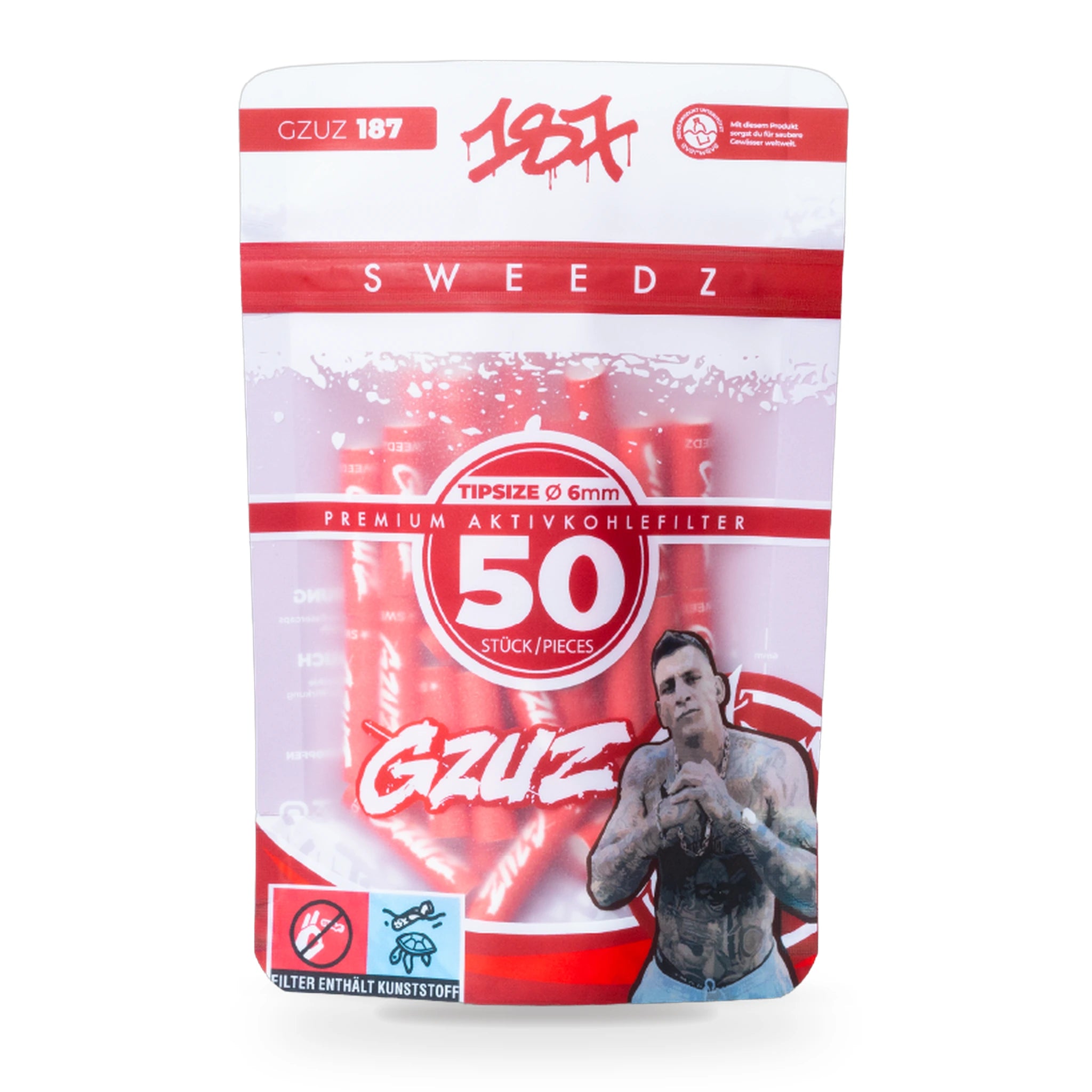
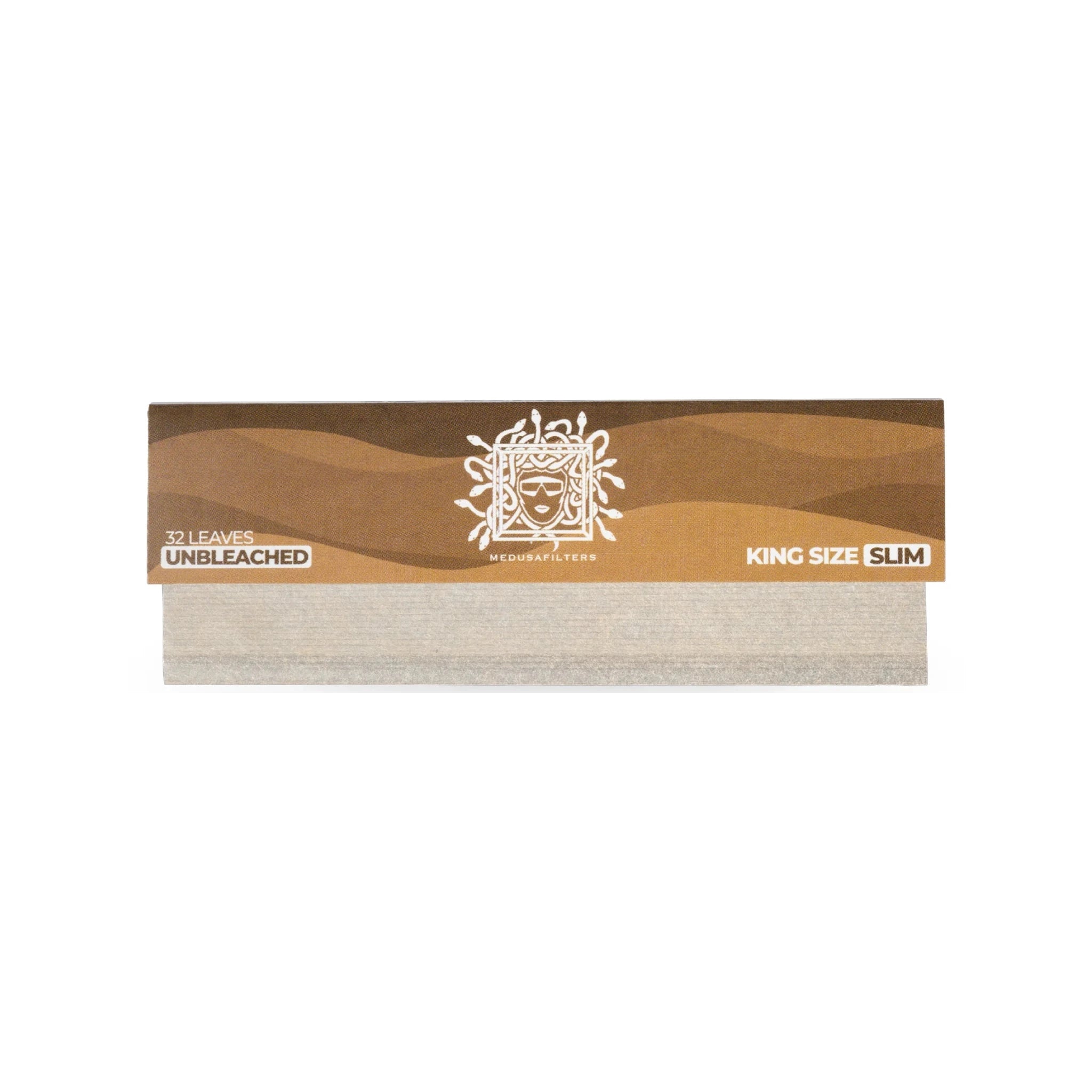
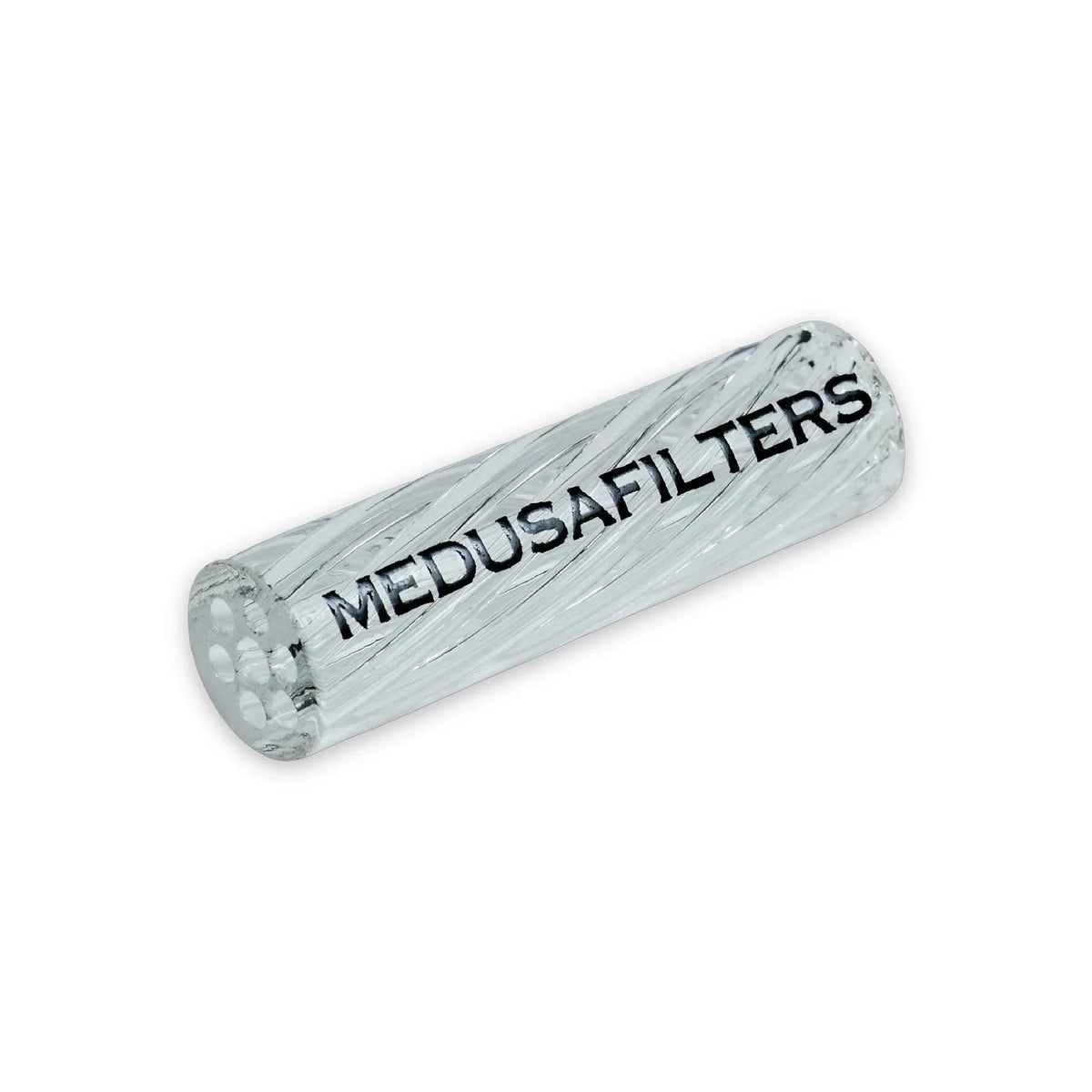
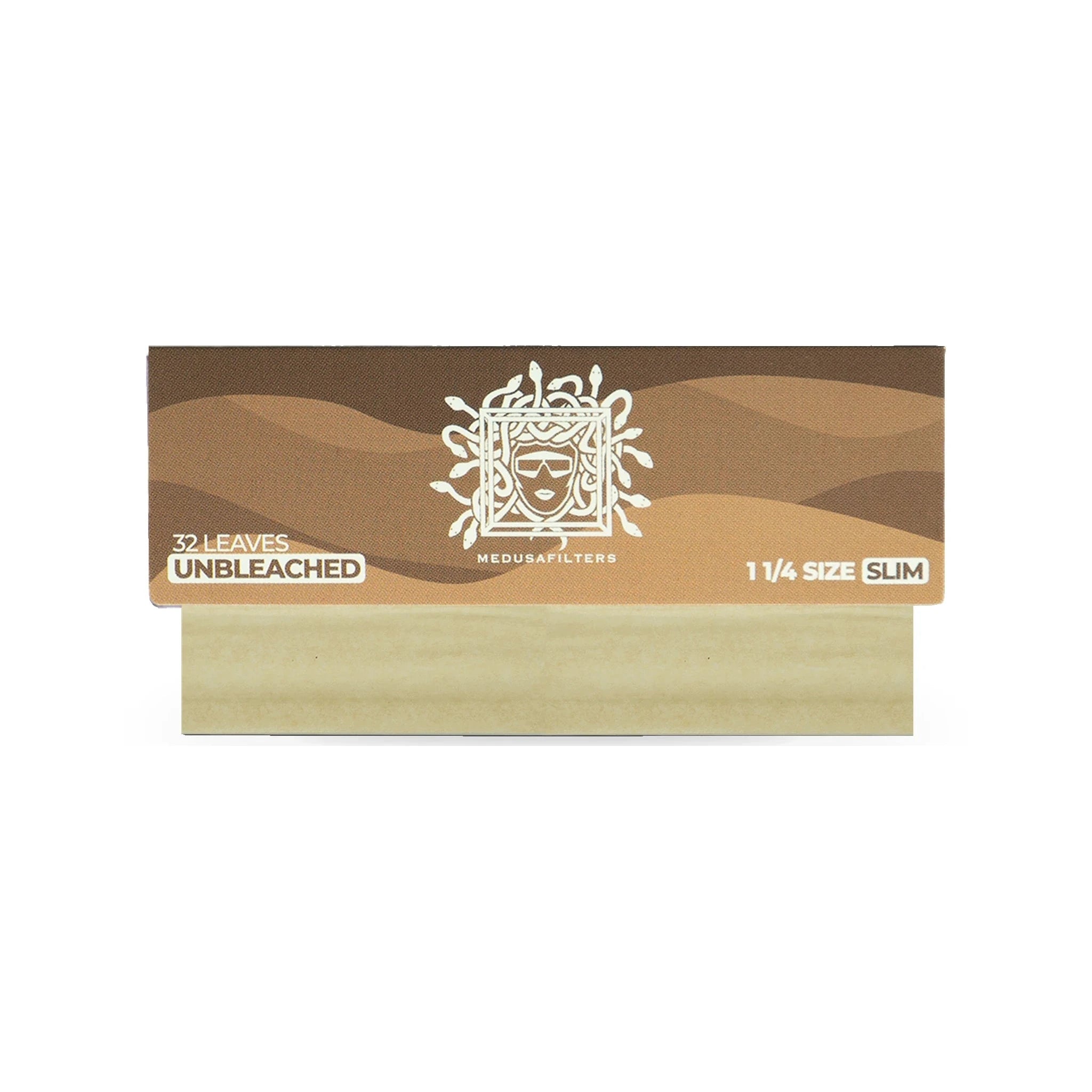
Anyone who wants a smoother smoke while consuming can reach for the Medusafilters activated carbon filters. These filter out fine particles and pollutants without distorting the finely tuned terpene profile – a real game changer, especially with aromatically complex strains like Durban Poison. Combined with the papers from Medusafilters, this ensures a clean, slow burn and maximum flavor.
Growing Durban Poison the Right Way
Durban Poison may sound exotic, but for growers the strain is anything but complicated. Originally from the city of Durban in South Africa, this pure Sativa strain was stabilized by experienced breeders over many years – and today ranks among the most robust and at the same time most productive cannabis strains worldwide.
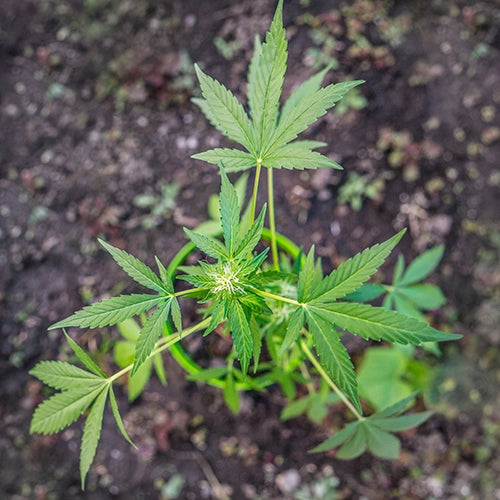
1. Location & Climate:
The strain can be grown both indoors and outdoors without any problems. In outdoor cultivation, Durban Poison prefers a sunny, rather dry climate like the one found in the Mediterranean region or in the southern parts of Europe. Indoors, its vertical growth can be controlled well – especially with techniques such as topping, fimming or low-stress training (LST). These methods also help to make the flowering phase more even and compact.
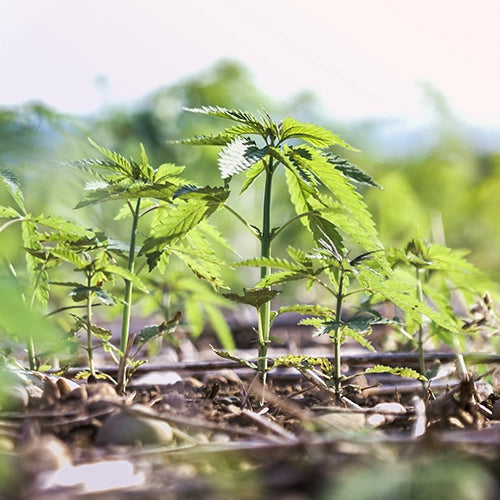
2. Growth & Structure:
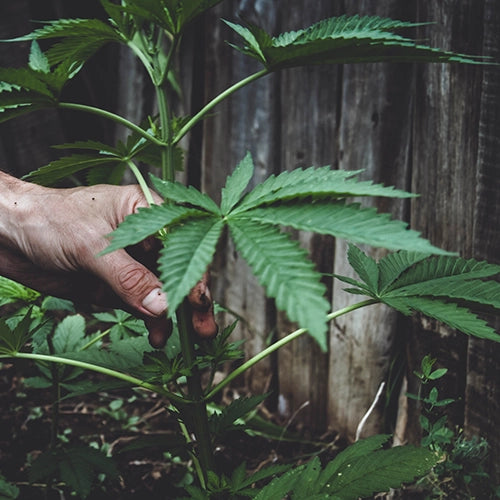
Typical Sativa: it grows tall, develops slender, sturdy branches and produces impressive buds that are resin-rich and pleasantly fragrant. Despite its rather wild growth, it's perfectly suited to beginners and experienced growers alike, as it brings a remarkable resistance to pests and mold.
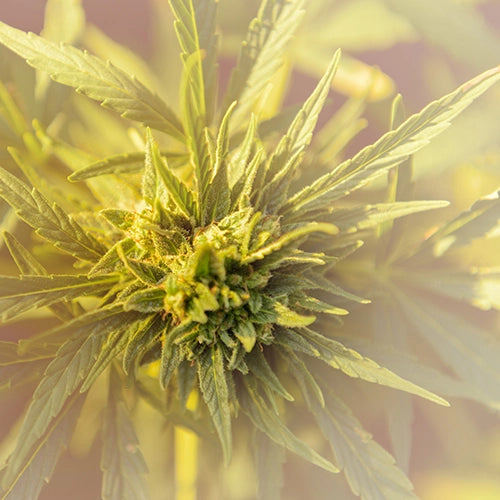
3. Flowering Time & Yield:
Indoors, the flowering time is around 8–10 weeks – outdoors you can usually expect a harvest around mid to late October. Under optimal conditions, high yields are possible: indoors you can count on up to 650 grams per square meter, while outdoors even more is achievable.
4. Care & Nutrients:
During the growth phase, Durban Poison appreciates a nitrogen-focused feeding; during flowering the focus should be on phosphorus and potassium to make the buds denser and more aromatic. Good air circulation and constant temperatures between 22 and 28 °C are also important.
5. Seed Choice & Varieties:
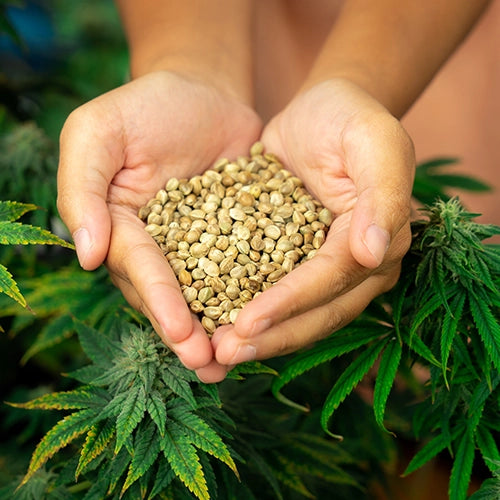
Whether classic feminized seeds or the practical Durban Poison Auto variant – both offer their advantages. While autoflowering seeds are ideal for compact indoor grows or discreet gardening on the balcony, feminized seeds usually deliver the highest yields and give you more leeway in managing cultivation.
6. Harvest and Storage:
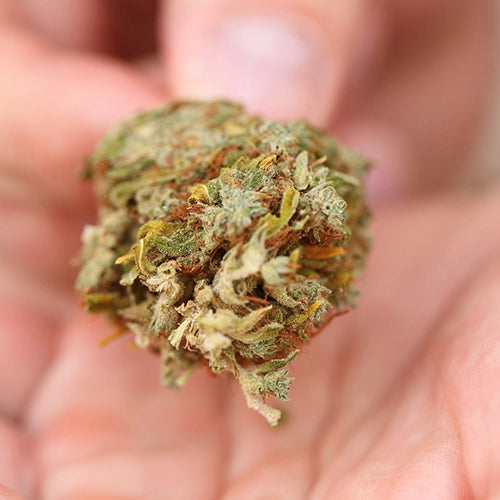
The right harvest time is crucial for making the most of Durban Poison's full potential. As soon as the trichomes are predominantly milky-white and a small portion amber-colored, the perfect moment has come. After cutting, the buds should be dried slowly for about 10–14 days at 45–55 % humidity – ideally in a dark, well-ventilated room. This is followed by curing in airtight jars for at least two weeks.
Anyone who decides to grow Durban Poison is opting for a robust, tradition-rich strain that can develop excellently both indoors and outdoors. With the right care, it unfolds its full potential: aromatic buds, impressive yields and pure Sativa energy.
Is Durban Poison legal in Germany? (As of 2026)
In Germany, cannabis has been legal for adults within clear limits since the Cannabis Act (KCanG) of 1 April 2024 – unchanged as of 2026. The key points:
- Possession: up to 25 g when out and about, up to 50 g at your residence.
- Home cultivation: up to 3 plants per adult person, protected from access by minors.
- Consumption bans: not within sight of schools, children's and youth facilities, playgrounds and sports grounds.
- Passing on & sale remain prohibited.
This is a general classification and not legal advice. These limits do not apply to accessories such as filters, papers or grinders – smoking accessories are freely available.
Frequently Asked Questions About Durban Poison
Durban Poison is more than just a classic Sativa – it has history, character and a few peculiarities that aren't obvious at first glance. Here you'll find answers to common questions that could help you when consuming or growing this special strain.
Durban Poison is a pure Sativa (100 %) and one of the most famous landraces worldwide, originally from South Africa. It contains no Indica component and stands for a clear, cerebral effect profile rather than body-focused sedation. This makes it a classic textbook example of the activating, head-focused side of the cannabis spectrum.
According to lab values for individual batches, the THC content is usually between about 15 and 25 %, with individual samples reaching up to 30 %. The SERP consensus of the strain databases often cites 17 to 22 % as the typical mid-range. However, only the lab analysis of the specific batch is reliable; figures from the internet serve only as a rough guide.
Users describe the effect as uplifting, focus- and creativity-enhancing, with a clear, alert head high without heavy couch-lock. It usually sets in after 5 to 15 minutes and, when smoking or vaping, typically lasts around two to three hours; taken orally, considerably longer. These are user reports, not medical claims.
The flowering time of Durban Poison is about 8 to 9 weeks, making it one of the shorter ones for a pure Sativa. Outdoors, the strain is usually ready to harvest from late September to early October, which also makes it attractive for cooler climate zones like Germany. The autoflowering variant is often ready around 10 to 11 weeks after germination.
Durban Poison is only conditionally suitable for beginners: the high THC content and the intensely stimulating Sativa high can quickly overwhelm inexperienced consumers and, at higher doses, are sometimes accompanied by inner restlessness. Anyone who still wants to try the strain should dose low, ease into it slowly and consume it exclusively as an adult within the legally permitted framework.
For full enjoyment, the right accessories are recommended: a sharp grinder ensures evenly ground flowers, thin, flavor-neutral papers preserve the anise-licorice aroma, and an activated carbon filter makes the draw noticeably cooler and smoother by filtering out harshness and irritants. Especially with Durban Poison's intense terpene profile, good filtering and rolling accessories are worthwhile for a clean, mild result.
Maybe also interesting for you?


Our Medusafilters Verdict
Durban Poison isn't just any strain – it's a true veteran among cannabis strains. With its pure Sativa genetics, the unmistakable anise-citrus aroma and the uplifting effect, it has earned itself a firm place in the cannabis world over decades – from the streets of South Africa to the coffeeshops of Amsterdam.
What makes it so special? Quite clearly: its clarity of mind, the energetic effect and its versatility in cultivation – whether classic outdoors, indoors or even as an autoflowering variant. Despite its high THC content, the high stays focused, creative and activating – ideal for anyone who wants to keep a clear head even while consuming.
On top of that comes its robustness, which makes it interesting for beginners and experienced growers alike. And anyone who wants to combine the full aroma with a more pleasant smoking sensation will find, with the Medusafilters activated carbon filters and the premium papers, the perfect setup for a smooth yet flavor-intense session.
Sources:
1. https://seedfinder.eu/en/strain-info/durban-poison/dutch-passion
2. https://www.royalqueenseeds.com/us/blog-durban-poison-strain-discover-this-legendary-landrace-n1531
3. https://dutch-passion.com/en/cannabis-seeds/durban-poison
Is Durban Poison Sativa or Indica?
Durban Poison is a pure Sativa (100 %) – one of the most famous landraces in the world, originally from the port of Durban in South Africa.
Unlike modern hybrids, Durban Poison contains no Indica component whatsoever and is regarded as a classic Sativa landrace. It developed over generations under the African sunlight and was brought to Europe and North America by breeders in the 1970s, where the genetics were stabilized. Typical of a pure Sativa are the tall, slender growth, the long, loose flowers and the cerebral direction of the effect. The profile confirms this classification: uplifting, focus- and creativity-enhancing effects rather than the body-focused, sedating character of many Indicas. The terpene profile is dominated by terpinolene and myrcene, accompanied by caryophyllene – a combination that shapes the spicy-sweet, anise-reminiscent character. Even if individual shops give differing figures, the rule holds: genetically and in its effect, Durban Poison is one of the purest Sativas of all. Anyone who wants to understand the difference between Sativa and Indica will find in this strain a textbook example of the clear, activating Sativa side of the spectrum.
How high is the THC content of Durban Poison?
According to lab values for individual batches, the THC content of Durban Poison is usually between about 15 and 25 %, with individual samples reaching up to 30 %.
This makes Durban Poison one of the more potent Sativas, even if the exact value depends heavily on genetics, cultivation and harvest time. The SERP consensus of the leading strain databases predominantly cites a range of 17 to 22 % as the typical mid-range, while specialized breeder selections report higher peak values. Reliable percentage figures always come from a lab analysis of the specific batch – blanket numbers from the internet are only guide values. Alongside THC, Durban Poison contains a rather low CBD content typical of landraces, so the psychoactive effect is in the foreground. The interplay of high THC and the terpene terpinolene explains why many users describe the effect as particularly clear and alert. Important: a high THC content doesn't automatically mean more enjoyment – beginners are better off dosing cautiously and easing into it slowly. Consumption is intended exclusively for adults within the legally permitted framework.
How does Durban Poison affect you and how long does the effect last?
Users describe the effect of Durban Poison as uplifting, focus- and creativity-enhancing; it usually sets in after 5 to 15 minutes and, based on experience, lasts around two to three hours.
As a pure Sativa, Durban Poison unfolds a predominantly cerebral, clear high without the heavy couch-lock feeling of many Indicas. Consumers typically report increased motivation, talkativeness and a stimulated flow of thoughts, which is why the strain is popular during the day and for creative or productive activities. Responsible for this profile is the interplay of high THC and the terpenes terpinolene, myrcene and caryophyllene. The duration depends on dose, form of consumption and individual tolerance: vaped or smoked, the effect usually fades after two to three hours; when taken orally, considerably later and longer. Some users describe a slight inner restlessness or palpitations toward the end, especially at higher doses – a reason to start slowly. These are exclusively user reports, not medical claims. For a smoother, cooler draw, many reach for an activated carbon filter, which makes the smoke noticeably milder.
How long is the flowering time of Durban Poison?
The flowering time of Durban Poison is about 8 to 9 weeks; outdoors, the strain is usually ready to harvest from late September to early October.
This makes Durban Poison one of the comparatively fast-flowering Sativas – unusual, since pure Sativas often take considerably longer. That's exactly what also makes it interesting in cooler climate zones like Germany, because the plants finish early enough before the damp autumn weather. The strain grows tall and slender with strong lateral branching and rewards ambitious growers with robust, resin-rich flowers. It's considered resistant to pests and mold, which makes it a rather low-maintenance landrace. The genetics are also available as an autoflowering variant (Durban Poison Auto); these automatic versions flower independently of the light cycle and are often ready to harvest around 10 to 11 weeks after germination. Specific yield and timing figures vary depending on the supplier and conditions, so it's worth checking the respective manufacturer's information. Cultivation is permitted exclusively within the legally allowed framework and is aimed at adults.
How does Durban Poison taste and smell?
Durban Poison tastes and smells distinctly of anise and licorice, underlaid with a fresh citrus note – a sweet-spicy, unmistakable profile.
This characteristic aroma goes back to the terpene profile of terpinolene, myrcene and caryophyllene. Terpinolene provides the herbaceous-sweet nuances reminiscent of anise and fennel, myrcene contributes earthy, slightly fruity depth, and caryophyllene ensures a subtly peppery-spicy undertone. When grinding the flowers, the licorice-like scent stands out particularly clearly, while the zesty citrus fruit shows in the finish. Many consumers describe the smoke or vapor as pleasantly smooth and aromatic, with a long-lasting, sweetish aftertaste. To experience the full aroma spectrum, a clean grinder is recommended for an even consistency as well as – when rolling – thin, flavor-neutral papers that don't mask the terpene profile. An activated carbon filter additionally filters out harshness and makes the draw cooler and smoother without distorting the typical anise-licorice aroma. This is how the character of this South African landrace comes across best.