







What is a joint?

Sometimes it is hard not to lose track of things, so in this post we go through the ABCs of the joint. What is it all about and what subtypes are there?
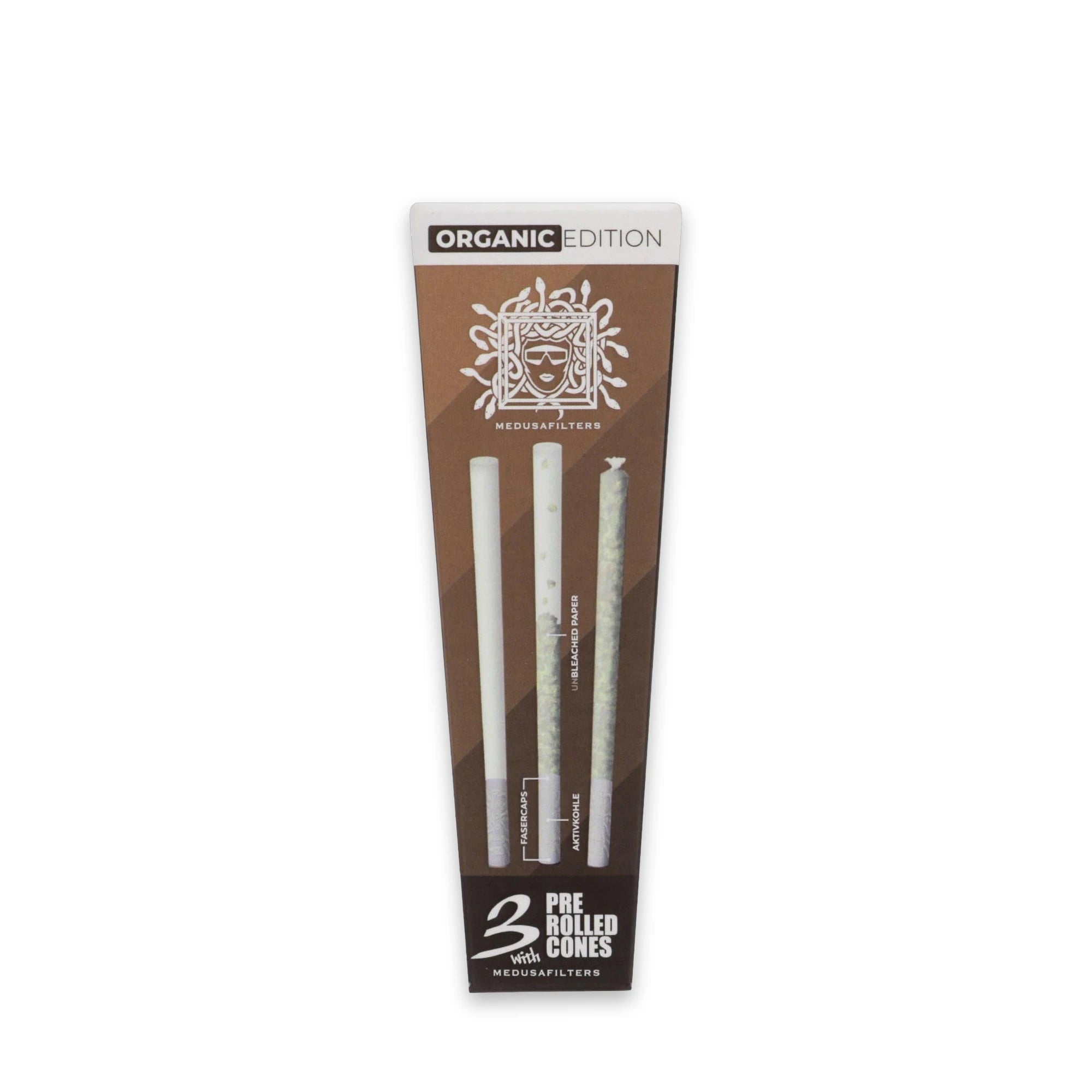
A joint is defined as a mostly hand-rolled cigarette that consists (at least in part) of cannabis. There are various variants of the joint, such as the blunt and the spliff. These differ not only in their contents but also in their appearance. While a blunt is filled exclusively with finely ground cannabis and smoked in tobacco paper (widespread in the USA), the spliff is a mixture of marijuana and tobacco (widespread in Europe) that is mainly smoked in a thin paper. Rolled into a fine paper and fitted with a proper Medusafilter - that is how we imagine the perfect joint. Nowadays you can also buy pre-rolled joints, which then only need to be filled and packed.
A "normal"-looking (conical) joint is also matched by plenty of playful, creative options - so feel free to experiment. As an extension of this and for special occasions, or simply to show off your own skills, there are, among others, the tulip joint, the cross joint and, for a really special challenge, the windmill joint. Feel free to give them a try afterwards. The desired result is probably always the same with all of these variants - being stoned.
What is a joint?
A joint is a self-rolled cigarette made of cannabis that is rolled into a thin long paper. Typical features are a cardboard filter tip at the mouthpiece, finely ground plant material and often a bit of tobacco as an admixture. The term comes from English and denotes the most widespread way of smoking cannabis.



Definition of a blunt
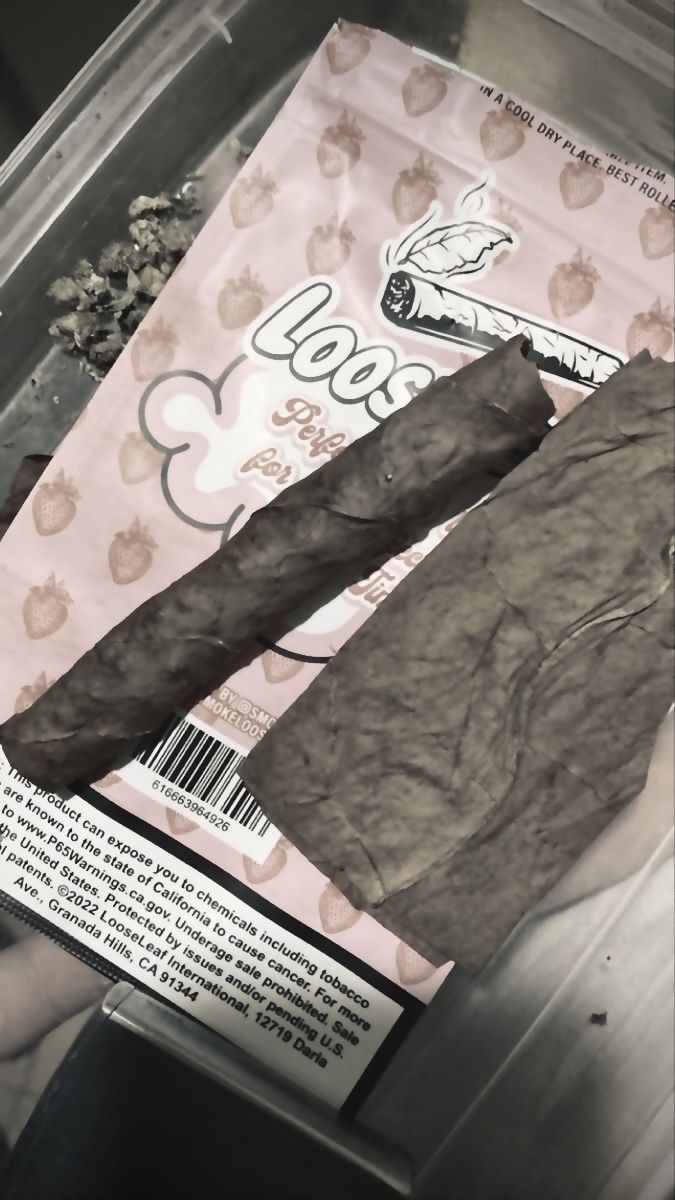
A blunt is a special type of cigar used in the context of tobacco or cannabis consumption. The name originally comes from a famous cigar brand called "Blunts", which was known for its wide and short shape. In general, however, any thicker type of cigar is referred to as a blunt. A blunt is made by emptying a cigar and then filling it with hashish or marijuana (usually several grams). Compared to conventional cigarettes or joints, blunts have a slower burn rate, which is why they are often used for social smoking. The blunt's wrapper consists of tobacco leaves or reconstituted tobacco leaf, which results in a stronger taste and smoking experience. Filters are often not used. The consumption of blunts is controversial and even illegal in many countries. In the USA, however, they are among the most popular ways of consuming cannabis. In addition to the general health risks of smoking, consuming blunts carries specific risks and is intended exclusively for hardened cannabis smokers.
Definition of a tobacco joint / spliff
A tobacco joint, also known by the term "spliff", refers to a hand-rolled cigarette that contains both tobacco and THC hemp. In general, the tobacco is used to support the burning process and create a milder taste, while the cannabis is responsible for the psychoactive effect. The spliff is popular above all in Europe, where it is often the preferred way of consuming cannabis. Typically it is smoked with a tip or an activated carbon filter. An activated carbon filter not only filters considerably better, but also greatly increases the stability of the joint.

How did the joint manage to prevail over other ways of consuming?
It is the most popular way to consume cannabis, but why is that?
We try to shed some light on the matter, even if a lot of it probably takes place on an emotional level.
The moment: It is not just the smoking itself, but the creation of a very special moment. Grinding weed and filling it into the paper, inserting the filter, licking and twisting it shut. Light it and enjoy - ideally in good company. Unlike, for example, how it would be with a vaporizer, which produces only little smoke and constantly needs to be preloaded. By the way, you can find out how to roll a perfect joint in 7 easy steps here.
The flexibility: Simply take it anywhere; you don't need to pack much for an enjoyable evening out. Unlike, for example, would be the case with a bong. All you need are papers and filters. No annoying cleaning or reloading necessary.
The sense of togetherness: This feeling can't be topped when consuming cannabis with a joint. Passing a joint around is somewhat more magical than passing around a hash pipe, which also burns very inconsistently.
The magic of smoking: Humanity has been smoking for centuries. Even Christopher Columbus reported on tobacco use around 1492. It carries a certain magic and nostalgia that is hard to put into words, but which still moves people to smoke to this day. This feeling stays away when you consume edibles, for example.
These and certainly other very individual preferences ensure that the joint has become indispensable in the consumption of cannabis and holds the undisputed first place.
Finally, you too should clarify which consumption variant is the best for you.
So which is the right method?
Although spliffs and blunts share some similarities, they are certainly suited to different situations. Spliffs are ideal for the hasty smoker or someone looking for a quick and inconspicuous high. Their fast preparation and simplicity make them the optimal choice for such occasions.
Blunts, on the other hand, are definitely better suited to special moments and less ideal when you're on the go or looking for a quick kick. They are the cigars of the marijuana world and require time, focus and the right technical know-how to make them worthwhile and unforgettable.
In the end, it comes down somewhat to you as the consumer and your preferences.
What is a joint?
Direct answer
A joint is a hand-rolled cigarette that contains dried and finely ground cannabis flowers. The material is rolled evenly into a thin smoking paper, the so-called long paper. At the mouthpiece sits a filter tip made of firm cardboard, which stabilizes the shape and prevents loose crumbs from getting into the mouth. Many consumers mix a little tobacco into the cannabis so that the joint burns more evenly – purists forgo this and smoke it pure. The length and thickness vary greatly: from the slim single-paper joint to the large King Size Slim roll. As a typical form of cannabis consumption, the joint is internationally widespread and carries different nicknames depending on the region. Decisive for a clean draw are evenly ground material, a suitable filter and dry, well-rolled paper.
Joint definition: the short version
Direct answer
The short definition is: a joint is a self-rolled cannabis cigarette. Unlike the factory-made cigarette, it is rolled individually, usually without additives in the paper and with a self-formed cardboard filter. Linguistically, the term falls into the same category as blunt and spliff, but describes the classic paper roll. In dictionaries and encyclopedias, the joint is defined as a hand-made cigarette that contains cannabis – sometimes mixed with tobacco. The definition says nothing about quantity, strength or effect, but only about the construction. This is precisely the difference from a pipe, bong or vaporizer: with the joint, the material burns directly in the paper and is inhaled via the filter tip. So anyone who wants to use the term correctly always means the rolled variant, not the cannabis itself.
Joint meaning and word origin
Direct answer
The meaning of the word joint comes from English. Literally, „to join“ means to connect or put together – a hint that when rolling, material and paper are united into a single whole. In German usage, joint has become established since the 1960s and 1970s as the common term for the self-rolled cannabis cigarette. Colloquially there are many other names such as Tüte, Dübel or Sportzigarette. The meaning is always the same: it refers to the rolled variant, not the plant. Important is the distinction – „einen Joint bauen“ describes the rolling, while „Cannabis“ means the raw material. Today the term is internationally understandable and appears equally in music, film and everyday language. Anyone who knows the meaning quickly recognizes the difference from related terms such as blunt or spliff.
The structure of a joint step by step
Direct answer
A joint consists of four components: smoking paper, finely ground cannabis, a cardboard filter tip and optionally a little tobacco. The construction almost always follows the same principle – form the filter, fill in the material, distribute it evenly, roll and twist shut. If you work cleanly, you get a joint that burns evenly and doesn't run down one side. The following steps show the classic construction.
- Roll the filter tip: Form a small tip from firm cardboard that stabilizes the mouthpiece and holds back loose crumbs.
- Prepare the material: Break the flowers down evenly with a grinder so that they burn loosely and calmly.
- Fill the paper: Hold the long paper with the adhesive edge facing up, place the filter at one end and distribute the material.
- Roll and shape: Bring the paper into shape between your fingers until an even roll forms.
- Twist shut: Moisten the adhesive edge, seal it and lightly twist the open end.
Joint, blunt and spliff: the differences
Direct answer
Joint, blunt and spliff denote three related but different rolls. The joint is rolled in thin smoking paper and contains cannabis, often with little or no tobacco. The spliff is basically a joint with a significantly higher proportion of tobacco – the mixture of cannabis and tobacco is in the foreground. The blunt, on the other hand, is not rolled in paper but in a hollowed-out cigar leaf or a special tobacco leaf, burns more slowly as a result and tastes stronger. All three share the same basic idea, but differ in wrapper, size and tobacco content. Regional language habits additionally cause confusion: in the USA, "spliff" sometimes means something different than in Europe. Anyone who separates the terms cleanly best classifies them by wrapper and tobacco content.
- Joint: smoking paper, predominantly cannabis, little to no tobacco.
- Spliff: smoking paper, noticeable proportion of tobacco in the mix.
- Blunt: tobacco or cigar leaf instead of paper, slower burn.
Legal situation in Germany (as of 2026)
Direct answer
Since the Cannabis Act (KCanG) came into force on 1 April 2024, the possession of cannabis has been permitted for adults in Germany within certain limits. As of 2026, adults may possess up to 25 grams when out and about and up to 50 grams at home, as well as grow up to three plants for personal use. Clear restrictions nevertheless apply to consumption – such as distance rules from schools, daycare centres and playgrounds, as well as protective provisions for minors. Rolling and smoking a joint in a private setting basically falls under these rules, but details differ depending on the situation and location. This section is a general overview and does not replace legal advice. Anyone who wants to act with legal certainty should check the current legal situation and, in case of doubt, consult an official source.
Rechtslage in Deutschland (Stand 2026)
Direktantwort
Seit dem Inkrafttreten des Cannabisgesetzes (KCanG) am 1. April 2024 ist der Besitz von Cannabis für Erwachsene in Deutschland unter bestimmten Grenzen erlaubt. Nach dem Stand 2026 dürfen Volljährige unterwegs bis zu 25 Gramm und zu Hause bis zu 50 Gramm besitzen sowie bis zu drei Pflanzen für den Eigenbedarf anbauen. Für den Konsum gelten dennoch klare Einschränkungen – etwa Abstandsregeln zu Schulen, Kitas und Spielplätzen sowie Schutzvorschriften für Minderjährige. Das Rollen und Rauchen eines Joints im privaten Rahmen fällt grundsätzlich unter diese Regeln, doch Details unterscheiden sich je nach Situation und Ort. Dieser Abschnitt ist eine allgemeine Einordnung und ersetzt keine Rechtsberatung. Wer rechtssicher handeln möchte, prüft die aktuelle Gesetzeslage und informiert sich im Zweifel bei einer offiziellen Quelle.
The right accessories from Medusafilters


Is this legal in Germany? (as of 2026)
Cannabis has been legal in Germany for adults within clear limits since the Consumer Cannabis Act (KCanG) of 1 April 2024 – unchanged as of 2026. The most important key points:
- Possession: up to 25 g when out and about, up to 50 g at the place of residence.
- Home cultivation: up to 3 plants per adult, protected against access by minors.
- Consumption bans: not within sight of schools, children's and youth facilities, playgrounds and sports facilities.
- Passing on & sale remain prohibited.
This is a general overview and not legal advice. These limits do not apply to accessories such as filters, papers or grinders – smoking accessories are freely available.
Frequently asked questions about the joint
A joint contains cannabis and is rolled by hand into a smoking paper, often with a self-formed cardboard filter. A cigarette is industrially manufactured and contains tobacco with additives. Both are smoked, but they differ in content, production and construction. The joint is therefore the self-rolled variant with cannabis as the main component.
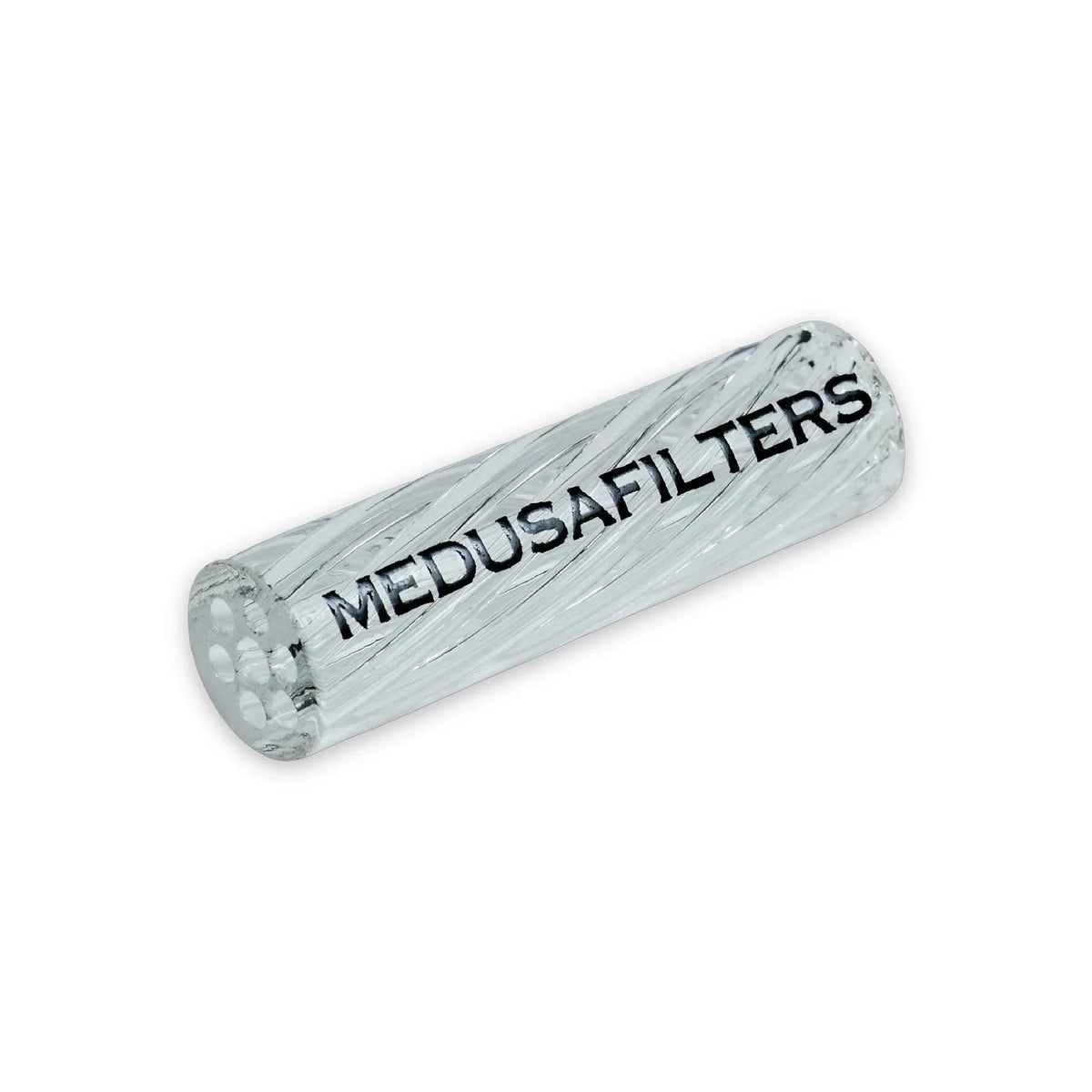
A filter is not strictly necessary, but it noticeably improves the draw. A simple cardboard tip stabilizes the mouthpiece and holds back loose crumbs. If you prefer it cooler and cleaner, reach for the activated carbon filter with a 6 mm diameter: it provides a cooler, filtered draw and fits common King Size Slim formats. This keeps the mouthpiece pleasant and dimensionally stable.
For an even burn, thin, slow-burning smoking papers are ideal. Long papers in the King Size Slim format are especially popular: they offer enough length and width to comfortably roll up the material and filter, yet still burn calmly. Thin paper produces less of its own taste and ash. Dry storage and a clean adhesive edge for a tight seal are also important.
Evenly ground cannabis burns more calmly, draws better and is easier to distribute. Coarse pieces, on the other hand, lead to uneven burning and a clogged draw. An aluminium spike grinder with pointed teeth breaks the flowers down finely and evenly without crushing them. This makes rolling noticeably easier and ensures a clean, even joint. Afterwards, the material can be filled in loosely.
The word joint comes from English and literally means joined or put together – derived from “to join”. It refers to rolling paper and material together into a single unit. Since the 1960s, the term has become established in the German-speaking world as a designation for the self-rolled cannabis cigarette. Colloquially there are many synonyms, but the meaning remains the same.
Since the Cannabis Act (KCanG) of 1 April 2024, the possession of cannabis has been permitted for adults within certain limits – as of 2026, up to 25 grams when out and about, 50 grams at home and three plants for personal use. Additional rules apply to consumption and location, such as distances from schools. This is a general overview and not legal advice; in case of doubt, the current legal situation applies.