


How long are you high?

The term "being high", also called "being stoned", refers to the psychoactive effect on people caused by consuming THC-containing cannabis. The cannabinoids and terpenes, which act on certain receptors in the brain, are responsible for this. As a rule, users experience an elevated mood after consumption, which can range from cheerfulness to fits of laughter or pure relaxation. In addition, the psychoactive substances in cannabis cause heightened sensory perception that intensifies all the senses. A changed sense of time or a suddenly emerging craving for food is also frequently reported. This arises via the CB1 receptors in the hypothalamus. Although most of these effects are perceived as pleasant and relaxing by many people, in some they can also lead to restlessness, paranoia or anxiety.
In that case, listen to your body – it is your best advisor.
How long are you high?
How long you are high depends above all on the form of consumption. When smoking or vaping, the effect sets in after a few minutes and usually lasts 2 to 4 hours. With edibles it takes 30 to 90 minutes for the effect to begin, but in return it remains noticeable considerably longer, at around 4 to 8 hours.
Factors that influence how long a high lasts:
1. How long the high lasts depends on the quality of the cannabis consumed.
So how long does a cannabis high last? The quality of the cannabis smoked can in any case significantly influence the length and intensity of being high! This is mainly connected to various factors such as the THC content, the marijuana strain and any impurities. The THC content is the main alkaloid in cannabis and the primary trigger for the high feeling. Impurities in the product from pesticides, mould or other substances can impair the high and also carry considerable health risks. So CAUTION is advised, and it is crucial that the cannabis comes from trustworthy sources such as the pharmacy.
Looking at the different types of cannabis, we mainly come to talk about two absolute classics. Sativa and Indica. Practically indistinguishable in appearance, they are nevertheless fundamentally different in their effect.
So where do the differences lie?
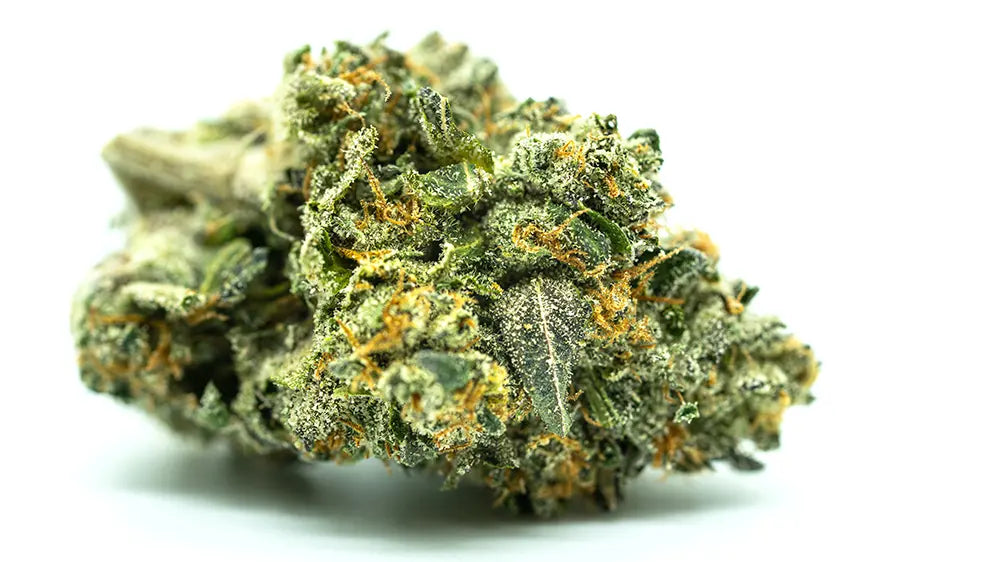
Sativa: (high)
Sativa refers to the physical characteristics of the plant, which are typically tall, slender plants, and also to the "being high" behaviour experienced by consumers. Sativa is often described as a stimulating, euphoric strain that is ideal for socialising and creative pursuits. It is also known to give users a sense of well-being and mental clarity, in addition to boosting energy and productivity. However, consuming Sativa cannabis can also lead to states of anxiety, especially when consumed in large amounts.
By contrast,
Indica: (stoned)
Indica cannabis is a type of cannabis known for its body-focused effects and its calm, relaxing character. Many users report that Indica strains have a rather soothing, sedating effect on them, which is why they are often associated with quiet evening hours.
In conclusion, it can be said that from smoking a joint or a vaporizer through to the onset and over the duration of the effect, hardly any known differences occur between the two strains. It is the effect that differs.
When in doubt, get advice from an expert if you are unsure which strain is right for you.
The OG Cush is currently the most popular strain in the world. This hybrid Kush consists of parts Sativa and parts Indica.
2. How much was consumed and at what intervals
The extent of cannabis consumption undoubtedly influences the duration and intensity of the intoxicated state. Intuitively, one might assume 'the more, the longer', i.e. that a larger amount of smoked cannabis leads to a longer duration of effect. However, the situation is somewhat more complicated. On the one hand, it is true that taking in larger amounts of THC, the main active ingredient of cannabis, leads to a more intense and possibly also longer high. But beyond that, the intervals at which cannabis is smoked also play a role. If a person is already affected by cannabis consumption and takes in further joints and blunts within a short time, this can at times make the duration of the high last for a long while.
3. How you consumed it
How long you are high depends heavily on which consumption method you choose. Let's take a look at the differences between smoking and eating cannabis. When smoking, the THC is absorbed directly into the bloodstream (it goes practically straight into the blood), which produces an almost immediate high. This high usually lasts one to three hours, but can be prolonged with regular use. With foods, often in the form of so-called edibles (brownies, cookies), the THC is first metabolised in the liver and therefore takes effect with a considerable delay – the high may only set in after one to two hours (on an empty stomach it can happen faster). In return, however, the effect can last up to eight hours or longer, and the intensity is often stronger than with smoking. The main reason for these differences lies in the way the THC is absorbed. When inhaled, it goes directly into the bloodstream, which means THC quickly reaches the brain. Whereas when eaten, it has to pass through the digestive tract before it can enter the bloodstream. That is why the effects of eating are often more intense and longer-lasting. A higher concentration of THC in the bud usually leads to a more intense and longer high.
By the way: there is a trick to shorten the high, should it ever become unpleasant. CBD! With it you can tone down a high state, as it prevents THC from binding to the CB1 receptor. So it helps with coming down.
4. The consumer's tolerance to cannabis consumption
How long the effect lasts also depends on entirely personal tolerances. Cannabis, also known as marijuana or weed, is consumed by smoking joints or blunts. In doing so, the THC-containing cannabinoids are inhaled and then reach the metabolism via the bloodstream. The intensity and duration of the high can vary depending on the THC content and individual metabolism.
The onset usually occurs within a few minutes of smoking and can last several hours. When consuming concentrates, such as vaping with a vaporizer, the effect can be more intense and last longer.
Consuming cannabis can lead to various forms of intoxication, including being stoned or a cannabis high. The type of consumption, such as smoking, eating foods like brownies, or using a vaporizer, can influence the duration and intensity of the effect. It is important to note that consuming cannabis, especially for inexperienced users, can lead to undesirable side effects. It is recommended to consume cannabis in moderation and to pay close attention to the duration and intensity of the effect. The duration of a cannabis high can vary greatly and depend on various factors. On average, the high lasts about 1-3 hours when smoking cannabis. When consuming edible products (edibles), however, the high can last considerably longer, often between 4 and 6 hours, since the THC only reaches the blood via the digestive system.
Some factors that can influence the duration of the high are the individual metabolism, the amount and quality of the THC consumed, the consumption method (smoking, vaporizing, eating, etc.), and the individual tolerance to cannabis.
Please note that consuming cannabis is illegal in many countries and carries health risks. Consuming drugs is not recommended. If you choose to do so, do it safely and inform yourself beforehand about the potential risks and consequences. If cannabis is consumed regularly, a dulling of the receptors stimulated by the active components of cannabis can occur. This leads to an increased tolerance level, meaning the consumer has to consume larger amounts to achieve a comparable effect.
For "beginners", even the smallest amounts and a low consumption of THC are sometimes enough to reach a stronger high. The duration of your high is also affected by this.
5. The consumer's personal physiology and health
The consumer's personal physiology and health play a considerable role in how long you are high. This is above all due to the individual biological parameters and the state of health of each person. The speed of the metabolism, body weight and even the genetic disposition can influence the extent and duration of the high feeling. In addition, general health, including both physical and psychological aspects, can influence the body's reaction to psychoactive substances. It is therefore crucial to be aware that the reaction to cannabis consumption can vary greatly.
Conclusion
So how long you stay high depends on many factors. Cannabis in the form of edibles achieves a longer and more intense high. With a joint, a bong or a vaporizer the high comes on faster. The THC concentration in the buds can vary greatly – this is perhaps the factor most worth paying attention to.
There is no clear-cut answer to this, but you should reckon with a duration of effect of roughly 2 - 6 hours.
How long are you high when smoking?
Direct answer
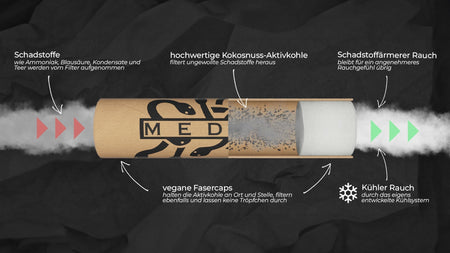
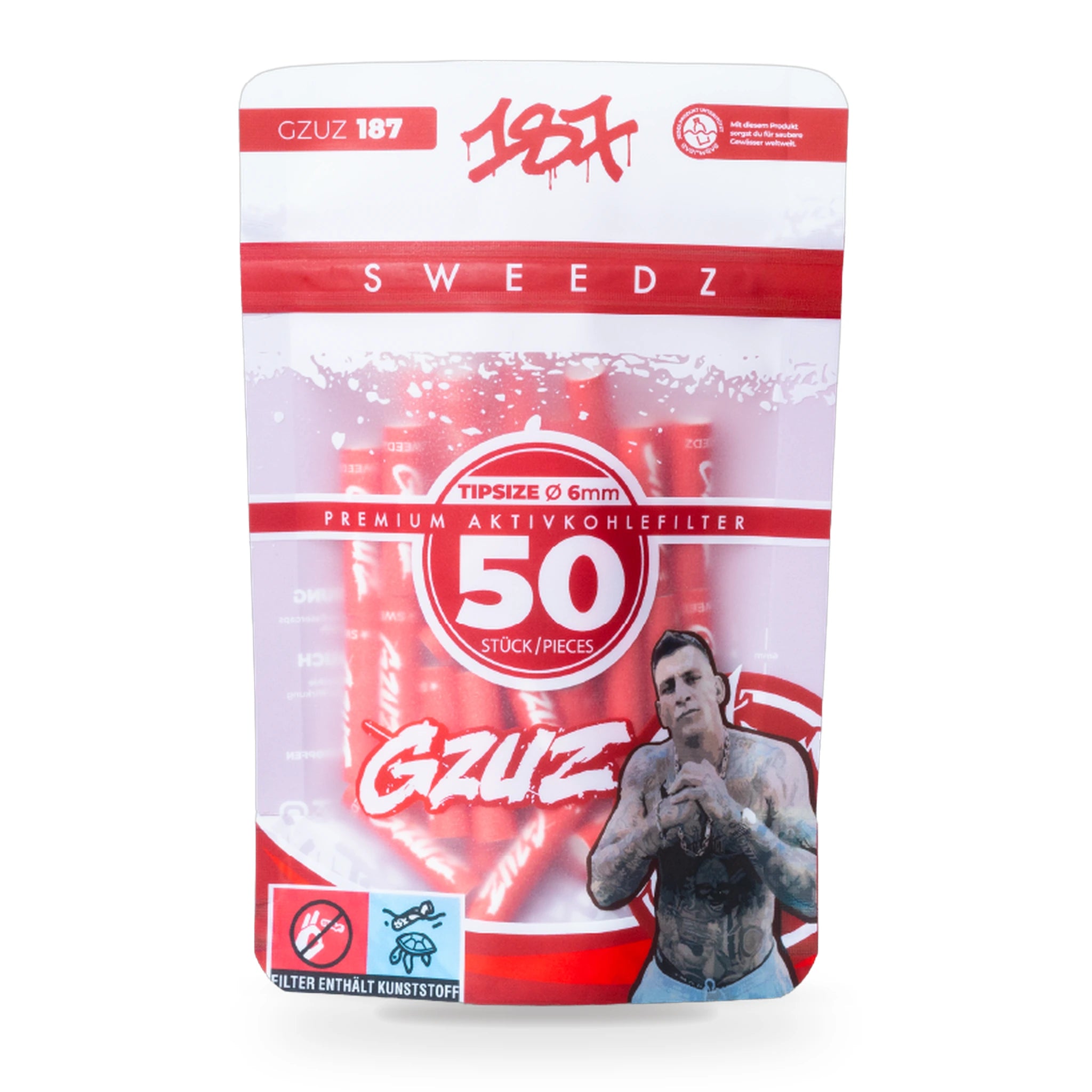
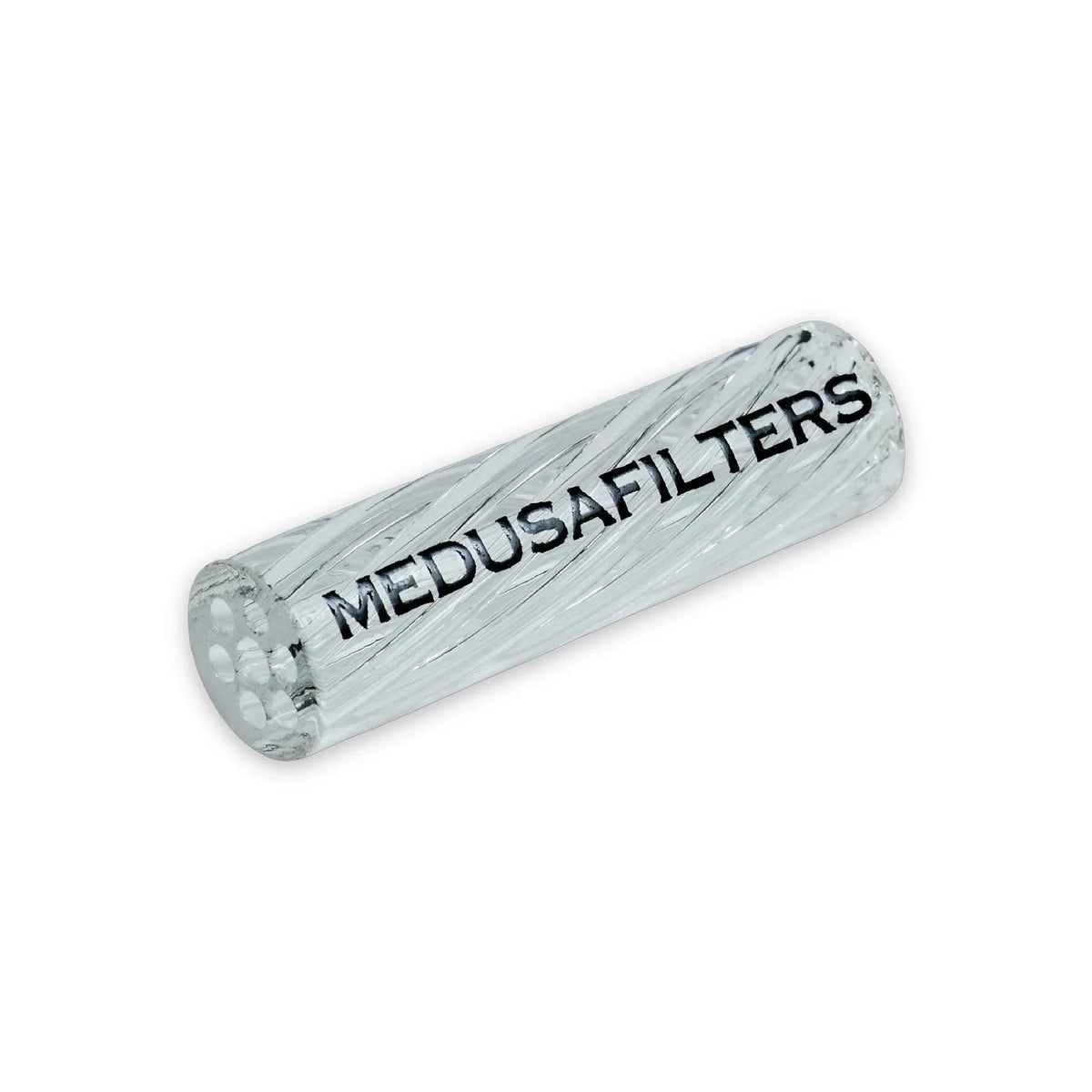
When smoking or vaping, you are usually high for 2 to 4 hours. The effect sets in after just a few minutes, reaches its peak after about 30 minutes and then slowly tapers off. How strongly and how long you feel the effect depends on the amount, the THC content and your personal tolerance. Those who rarely consume often feel a longer and more intense effect than regular consumers. The type of draw also plays a role: a cooler, filtered draw through a 6 mm activated carbon filter feels more pleasant to many than hot, scratchy smoke. After four to six hours at the latest, the noticeable effect has completely subsided for most people, even if residual tiredness can last longer.
How long high after edibles?
Direct answer
After edibles you are high considerably longer than when smoking – usually 4 to 8 hours, sometimes even longer. The reason lies in the metabolism: the THC is processed via the liver and in the process converted into a form that acts more strongly and for longer. It takes 30 to 90 minutes before the effect even sets in, because the edible first has to be digested. This is exactly where the most common mistake happens: because nothing is noticeable straight away, more is taken – and then the concentrated effect hits all at once. So start with a low dose and wait at least two hours before taking more. A full or empty stomach, your body weight and your tolerance shift the time frame further. So with edibles it is better to plan for the whole evening.
High duration: which factors influence it?
Direct answer
The high duration is not a fixed number but depends on several factors at the same time. The strongest effects come from the form of consumption, the amount taken in and the THC content: the more and the more potent, the longer and more intense. Just as important is your individual tolerance – those who consume regularly break down THC faster and are high for a shorter time than someone who does so rarely. Body weight, metabolism and whether you consume on a full or empty stomach also shift the duration. Even your daily form, sleep and expectations come into play. That is why the same amount can act for completely different lengths of time in two people. The following factors influence how long you are high:
- Form of consumption: smoking and vaping act for a shorter time, edibles considerably longer.
- Amount and THC content: more and more potent means a longer effect.
- Tolerance: regular consumption shortens the noticeable duration.
- Body and metabolism: weight, digestion and daily form count too.
How do you come down faster?
Direct answer
There is no magic remedy that switches off the effect immediately – your body needs time to break down the THC. But you can feel considerably more comfortable and take the edge off the effect. The most important thing is calm: sit or lie down in a relaxed place, drink water and breathe slowly. Having become too intense is usually a matter of too high a dose at once – especially with edibles. If you notice that it is becoming too much, it helps to distract yourself, eat something light and wait it out. As a rule, the peak subsides noticeably within one to two hours. This is how you come down more relaxed, step by step:
- Sit down in a quiet, familiar place and avoid sensory overload.
- Drink water or a lightly sweetened tea against dry mouth.
- Eat a little something, that stabilises your well-being.
- Breathe deliberately slowly and distract yourself with music or a conversation.
- Lie down, rest and give your body time to break it down.
Cannabis legal situation 2026: what applies?
Direct answer
Since the Consumer Cannabis Act (KCanG) came into force on 1 April 2024, dealing with cannabis has been partially legal for adults in Germany. As of 2026, as an adult you may possess up to 25 grams when out and about and up to 50 grams at home, as well as grow up to three plants for personal use. Consumption remains restricted in certain places and near children and young people, and separate limits apply in road traffic. How long you are high does not change the fact that you do not belong behind the wheel after consuming. This is only a rough overview and not legal advice – you should look up the exact rules with official bodies, as details can change.
The right accessories from Medusafilters


Is this legal in Germany? (As of 2026)
In Germany, cannabis has been legal for adults within clear limits since the Consumer Cannabis Act (KCanG) of 1 April 2024 – unchanged as of 2026. The most important key points:
- Possession: up to 25 g when out and about, up to 50 g at home.
- Home cultivation: up to 3 plants per adult, protected from access by minors.
- Consumption bans: not within sight of schools, children's and youth facilities, playgrounds and sports venues.
- Passing on & selling remain prohibited.
This is a general overview and not legal advice. These limits do not apply to accessories such as filters, papers or grinders – smoking accessories are freely available.
Frequently asked questions about being high
When smoking or vaping, the effect sets in after a few minutes and usually lasts between 2 and 4 hours. The peak is reached after about half an hour, after which the effect slowly tapers off. Exactly how long it lasts depends on the amount, the THC content and your tolerance. For most people, nothing is noticeable anymore after four to six hours.
Edibles work considerably longer than smoked cannabis – as a rule 4 to 8 hours, sometimes even longer. The onset, however, takes 30 to 90 minutes, because the THC is first processed via the stomach and liver. So dose low and wait at least two hours before taking more, otherwise the effects overlap.
High duration means how long the noticeable effect lasts. It is not a fixed number but depends on the form of consumption, the amount, the THC content and your personal tolerance. Body weight, metabolism and whether you consume on a full or empty stomach also shift the time frame. That is why the same amount can act for different lengths of time in two people.
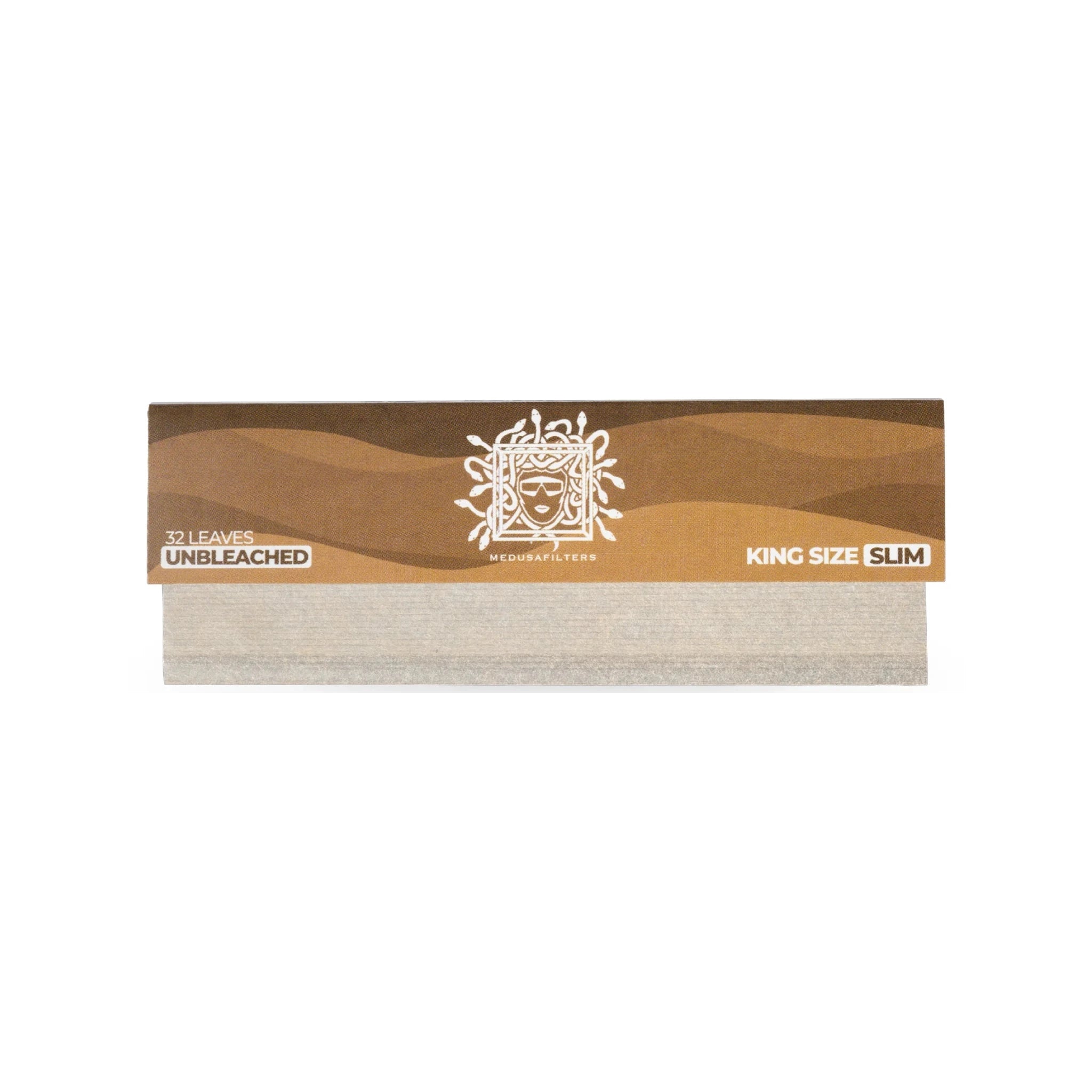
The duration of the effect itself hardly changes as a result, but the smoking experience does. An even burn through thin King Size Slim longpapers makes the draw calmer and more controlled. A 6 mm activated carbon filter additionally provides a cooler, filtered draw that many perceive as more pleasant and less scratchy. This lets you shape your consumption more consciously and in a more relaxed way.
The effect cannot be switched off completely, because your body needs time to break down the THC. But you can make yourself feel more comfortable: sit down in a quiet place, drink water, eat a little something and breathe slowly. Distraction through music or a conversation also helps. As a rule, the peak subsides noticeably within one to two hours.
Important to know: being high and being detectable are two different things. Even if the noticeable effect is over after a few hours, THC can remain detectable in the body for considerably longer – a few days with occasional use, and several weeks with regular use. Exact times depend heavily on the individual case. For driving, the rule is: after consuming, you do not belong behind the wheel.